Hiking Essentials Checklist: What To Bring For Your Next Hike Or Cave Adventure

AFFILIATE DISCLOSURE: Be informed that clicking on some of the links and making
purchases may result in the owner(s) of this site(s) to earn payments in commissions.
Introduction To Hiking Essentials
Embarking on a hiking adventure is an exhilarating experience that offers a unique opportunity to connect with nature and challenge oneself. Whether you're planning a day hike or an extensive trek, being well-prepared is crucial. This preparation begins with understanding and gathering your hiking essentials. Having the right gear not only enhances your enjoyment but also ensures your safety on the trail.
Hiking essentials encompass a wide range of items, from clothing and footwear to navigation tools and safety gear. Each item plays a vital role in supporting your journey, allowing you to tackle challenges with confidence. Moreover, having a comprehensive checklist helps you plan effectively, ensuring you don't overlook any critical items that could be necessary along the way.
By understanding what equipment is essential for a hike, you can tailor your pack to suit the specific demands of your adventure. This article will guide you through the key hiking essentials and provide insights into additional considerations for cave exploration, ensuring you're thoroughly prepared for whatever your journey may bring.
The Importance Of A Hiking Checklist
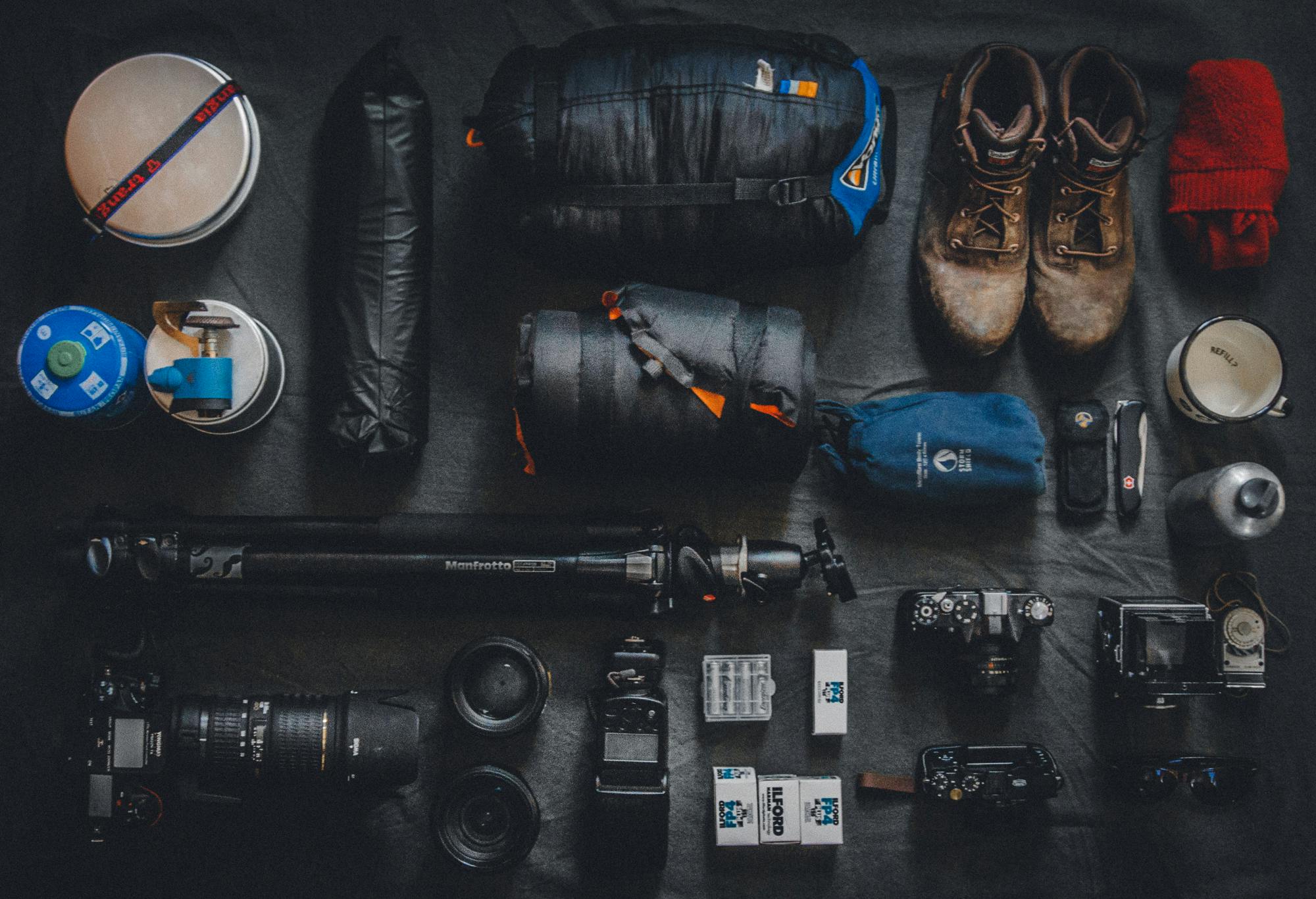
Creating a hiking checklist is a fundamental step in ensuring a successful outdoor adventure. A well-organized list helps you systematically prepare for your hike, minimizing the risk of forgetting important items. By categorizing your gear and essentials, you can efficiently pack and reduce unnecessary weight, making your pack more manageable.
A checklist serves as a reliable reference point, especially for beginners who may not be familiar with what to bring. It also acts as a reminder for experienced hikers, ensuring that no item is unintentionally left behind. By consistently using a checklist, you can develop a routine that makes packing for future hikes quicker and more efficient.
Moreover, a checklist can be customized based on the specific requirements of your hike, such as the terrain, weather conditions, and duration. This flexibility allows you to adapt your gear to suit different environments, ensuring you're always adequately prepared, whether you're hiking in the mountains or exploring a cave.
Clothing Essentials For Hiking
Appropriate clothing is crucial for comfort and protection during your hike. When selecting hiking attire, consider the weather conditions and the terrain you will encounter. Layering is key, as it allows you to adjust your clothing to maintain a comfortable body temperature as conditions change.
Start with a moisture-wicking base layer to keep sweat away from your skin. This helps regulate your body temperature and prevents chafing. Next, add insulating layers like fleece or down jackets for warmth in cooler conditions. Finally, choose an outer layer that is both waterproof and breathable to protect against rain and wind.
In addition to layering, consider wearing a hat and sunglasses to shield your face and eyes from the sun. A good pair of hiking socks is essential for preventing blisters and keeping your feet dry. Opt for materials like wool or synthetic blends that offer cushioning and moisture management.
Footwear: Choosing The Right Hiking Boots
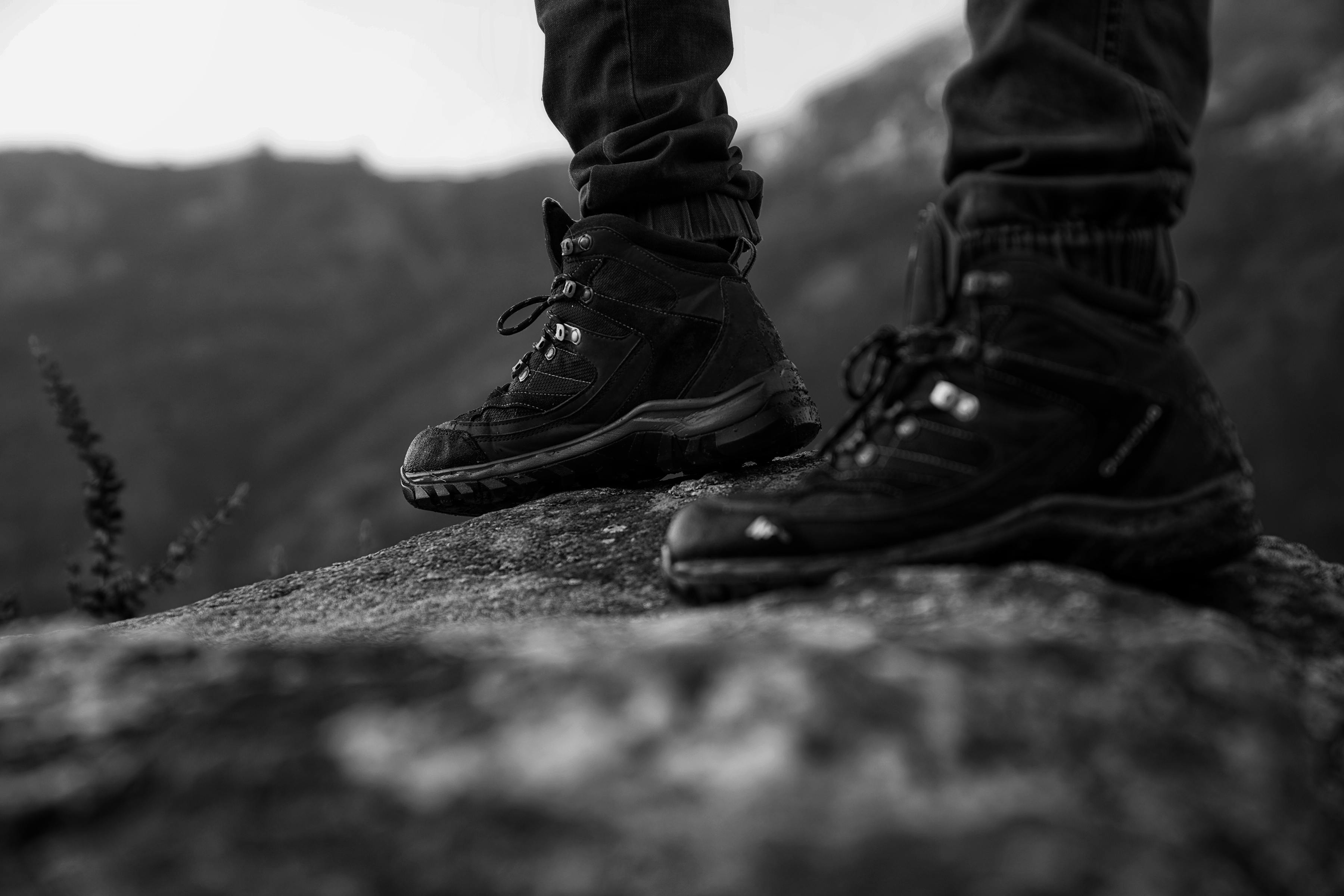
Selecting the right hiking boots is one of the most important decisions for any hiker. The appropriate footwear provides support, comfort, and protection on various terrains. When choosing hiking boots, consider factors such as fit, support, and the type of hiking you plan to do.
Ensure that your boots fit well, with enough room for your toes to move comfortably. A snug fit around the heel and ankle provides stability and reduces the risk of blisters. Consider trying on boots at the end of the day when your feet are slightly swollen to ensure a proper fit.
The type of hiking you plan to undertake will determine the level of support and durability needed. For light day hikes, trail shoes or light hiking boots may suffice. However, for more challenging treks, opt for mid to high-cut boots with stiffer soles for added support and protection. Waterproof boots are also a wise choice for wet or muddy conditions.
Navigation Tools: Maps, Compasses, And GPS Devices

Having reliable navigation tools is essential for staying on course during your hike. While digital devices like GPS units and smartphones are convenient, traditional tools such as maps and compasses remain indispensable, especially in remote areas where electronic devices may fail.
A detailed topographic map of the area you're exploring provides crucial information about the terrain, helping you plan your route and identify key landmarks. Pair it with a compass to navigate effectively, even if you're off the beaten path. Practice your map reading skills in advance to ensure confidence in using these tools.
For additional security, consider carrying a GPS device or using a smartphone app with offline maps. These devices offer precise location tracking and route planning features. However, always carry extra batteries or a portable charger, as electronic devices can lose power unexpectedly. Balancing traditional and modern navigation tools ensures you're prepared for any situation.
Hydration And Nutrition: What To Pack
Staying hydrated and fueled is vital for maintaining energy levels and overall well-being during your hike. Dehydration and lack of nutrition can lead to fatigue, affecting your performance and safety. Therefore, it's crucial to plan your food and water intake carefully.
Carry enough water to last the duration of your hike, and consider bringing a water filter or purification tablets if there are natural sources available along the trail. Hydration bladders or water bottles are practical choices, allowing you to drink on the go without stopping. Aim to drink small amounts regularly, rather than waiting until you're thirsty.
Pack lightweight, high-energy snacks such as nuts, dried fruits, and energy bars to maintain your energy levels. For longer hikes, consider bringing meals that are easy to prepare, like freeze-dried or dehydrated options. Remember to pack out any waste, following Leave No Trace principles to protect the environment.

Safety Gear: First Aid Kits And Emergency Supplies
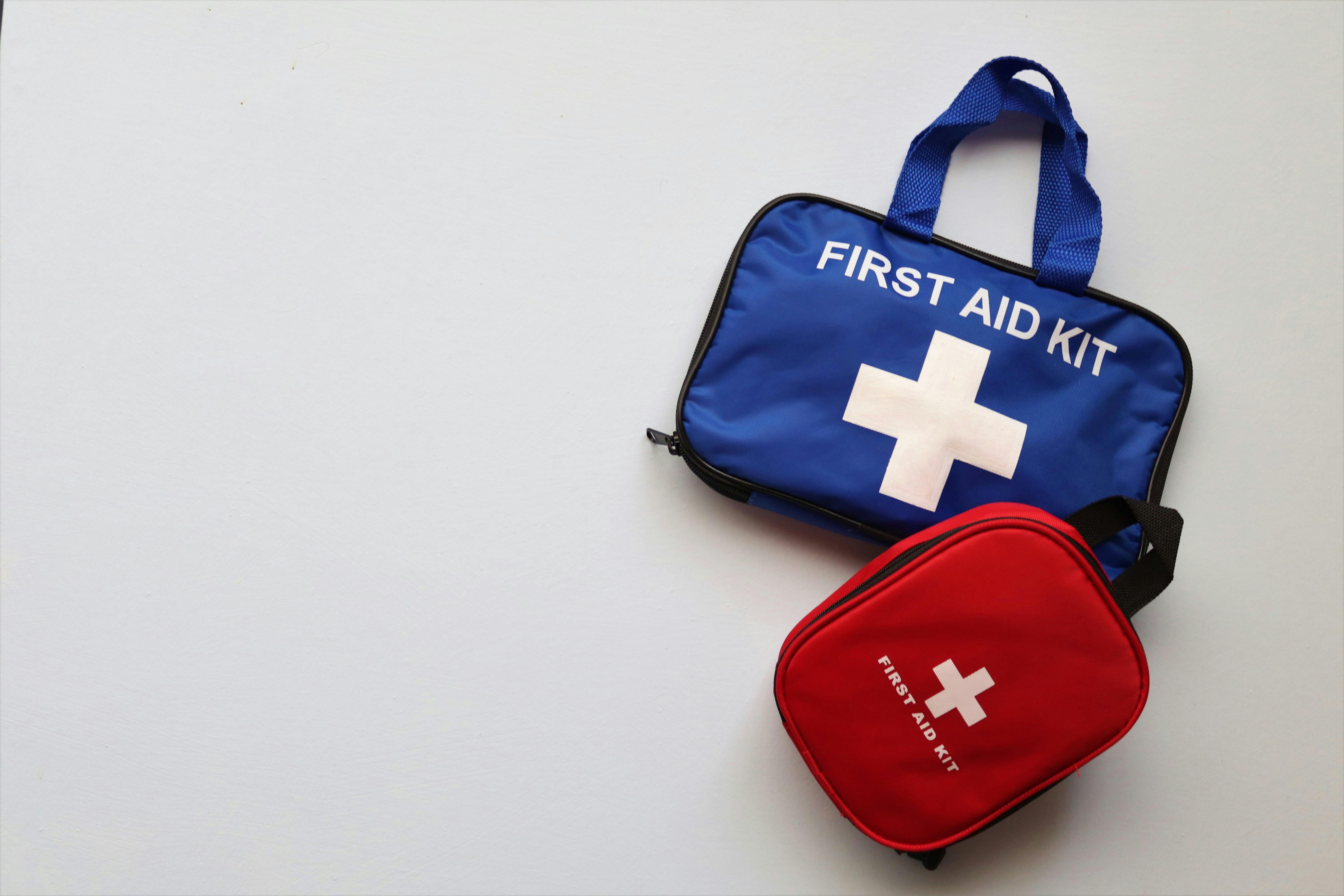
Safety should always be a top priority when hiking. A well-stocked first aid kit and emergency supplies are essential for handling unexpected situations. Your first aid kit should include items like adhesive bandages, antiseptic wipes, pain relievers, and any personal medications you may require.
In addition to first aid supplies, carry emergency gear such as a whistle, flashlight, and multi-tool. A whistle can be a lifesaver if you need to signal for help, while a flashlight ensures visibility in low-light conditions. Multi-tools provide versatility for repairs or other needs during your hike.
Consider packing a space blanket or bivy sack for emergency shelter. These items are lightweight and compact, providing warmth and protection against the elements if you become stranded. Familiarize yourself with basic first aid and emergency procedures to enhance your preparedness and confidence on the trail.
Tools And Equipment: Must-Have Hiking Gear
Beyond the basics, there are several tools and pieces of equipment that can enhance your hiking experience. Trekking poles, for instance, provide stability and reduce the impact on your joints, especially during steep descents or uneven terrain. They are adjustable and can be easily attached to your pack when not in use.
A multi-functional knife or tool is invaluable for a variety of tasks, from preparing food to making repairs. Opt for a lightweight,
durable model that includes essential features like a blade, scissors, and screwdriver. Ensure it is easily accessible in your pack.
Other useful items include a headlamp for hands-free lighting, a lightweight backpacking stove for cooking, and a compact camping chair for rest breaks. Tailor your equipment choices to the specific requirements of your hike, considering factors like duration and terrain.
Cave Exploration Essentials: Unique Items To Consider
Caving, or spelunking, presents unique challenges that require additional preparation and equipment. When venturing into caves, safety gear such as helmets with mounted lights is essential to protect against low ceilings and to illuminate your path. Consider carrying extra batteries for your headlamp to ensure consistent lighting.
Caves can be cold and damp, so wear clothing that provides warmth and moisture protection. Waterproof gloves and sturdy boots with good grip are also recommended. Depending on the cave's conditions, knee pads and elbow pads may be necessary to protect against rough surfaces.
A caving-specific backpack is useful for carrying your gear without hindering movement. Ensure it's compact and comfortable for navigating narrow passages. Additionally, always explore caves with a group and inform someone of your plans, as this activity carries inherent risks that require careful planning and communication.
Tips For Packing Your Hiking Essentials
Efficiently packing your hiking essentials can make a significant difference in your overall hiking experience. Start by organizing your items into categories, such as clothing, food, and emergency supplies. Use packing cubes or compression sacks to maximize space and keep your gear organized.
Place items you'll need frequently, such as snacks or a rain jacket, in easily accessible pockets. Pack heavier items closer to your back and at the center of your pack to maintain balance. Adjust the straps to distribute weight evenly and ensure a comfortable fit.
Before setting out, review your checklist once more to ensure nothing has been forgotten. With practice, you'll develop a packing strategy that suits your needs and preferences. Remember, the goal is to pack light while still being prepared for any situation.
Conclusion: Preparing For A Successful Hiking Adventure
Preparation is the cornerstone of a successful hiking adventure. By understanding and gathering your hiking essentials, you equip yourself with the tools needed to navigate challenges and enjoy the beauty of the natural world. From clothing and footwear to navigation and safety gear, each item plays a crucial role in enhancing your hiking experience.
As you plan your next adventure, consider the unique demands of your chosen environment, whether it's a forest trail or a cavernous cave. Adapt your gear to suit these conditions, ensuring you're ready for anything the journey may bring. With careful planning and a comprehensive checklist, you can embark on your hike with confidence, knowing you're prepared for a safe and enjoyable experience.
Before you head out on your next adventure, take the time to review your checklist and ensure you have all your essentials. Happy hiking!
Ready to explore the great outdoors? Start planning your next adventure today by downloading our comprehensive hiking essentials checklist. Equip yourself with the knowledge and tools you need for a safe and memorable journey.
Click any of the buttons to get started!
Get Ready For Anything Your Adventure May Bring With A Hiking Essentials Checklist!
We Make eBook Bundles For The Top Indoor/Outdoor Activities And Attractions For USA & Canada!
US States
Canadian Provinces And Territories
Non Affiliation Disclaimer:
The owners of Savingcraze.com are not affiliated with, associated with, or endorsed by any of the companies, brands, or entities mentioned in this content unless explicitly stated otherwise. All product names, logos, trademarks, and brand references are the property of their respective owners with the exception of free to use stock images. Their use in this content is for identification and reference purposes only and does not imply any relationship, sponsorship, or endorsement by those companies.
For more information read our full disclaimer here.
Medical Information Disclaimer
The information about health provided by the Service is not intended to diagnose, treat, cure or prevent disease. Products, services, information and other content provided by the Service, including information linking to third-party websites are provided for informational purposes only. Information offered by the Service is not comprehensive and does not cover all diseases, ailments, physical conditions or their treatment.
Individuals are different and may react differently to different products. Comments made on the Service by employees or other users are strictly their own personal views made in their own personal capacity and are not claims made by the Company nor do they represent the position or view of the Company. The Company is not liable for any information provided by the Service with regard to recommendations regarding supplements for any health purposes.
The Company makes no guarantee or warranty with respect to any products or services sold. The Company is not responsible for any damages for information or services provided even if the Company has been advised of the possibility of damages.
Fitness & Nutritional Information Disclaimer
The Service can offer health, fitness and nutritional information including, without limitation, advice and recommendation, that is provided solely as general education and informational purposes.
Use of the advice and information contained herein is at your sole choice and risk. You should not rely on this information as a substitute for, nor does it replace, professional medical advice, diagnosis, or treatment. Always consult your physician or healthcare provider before beginning any nutrition or exercise program.
If You choose to use this information without prior consent of your physician, You are agreeing to accept full responsibility for your decisions and agreeing to hold harmless the Company.
savingcraze.com/hiking-checklist-what-to-bring
2026 © savingcraze.com. All rights reserved