Spelunking Explained: Essential Tips For Preparation And Exploration

AFFILIATE DISCLOSURE: Be informed that clicking on some of the links and making
purchases may result in the owner(s) of this site(s) to earn payments in commissions.
Introduction To Spelunking: What You Need To Know
Spelunking, also known as caving, is an exhilarating outdoor activity that involves exploring natural cave systems. As a spelunker, you will venture into the depths of the Earth, discovering hidden wonders beneath the surface. This activity not only offers a unique form of adventure but also provides an opportunity to connect with nature in a profound way. Whether you're a beginner or an experienced adventurer, understanding the basics of spelunking is crucial to ensure a safe and enjoyable experience.
Before embarking on your spelunking journey, it's essential to familiarize yourself with the fundamentals. This includes learning about the types of caves, the equipment required, and the skills needed to navigate these subterranean environments. With the right preparation, you can safely explore the mysterious underground world and enjoy the breathtaking sights it offers. Additionally, having a basic understanding of cave geology and ecosystems will enhance your appreciation of these natural wonders.
Caving requires a sense of adventure, curiosity, and respect for the natural environment. It's important to approach spelunking with a safety-first mindset, as caves can present numerous hazards. By educating yourself on the necessary precautions and best practices, you can minimize risks and maximize the enjoyment of your exploration. In this article, we'll delve into the essentials of spelunking, offering insights and tips for both preparation and exploration.
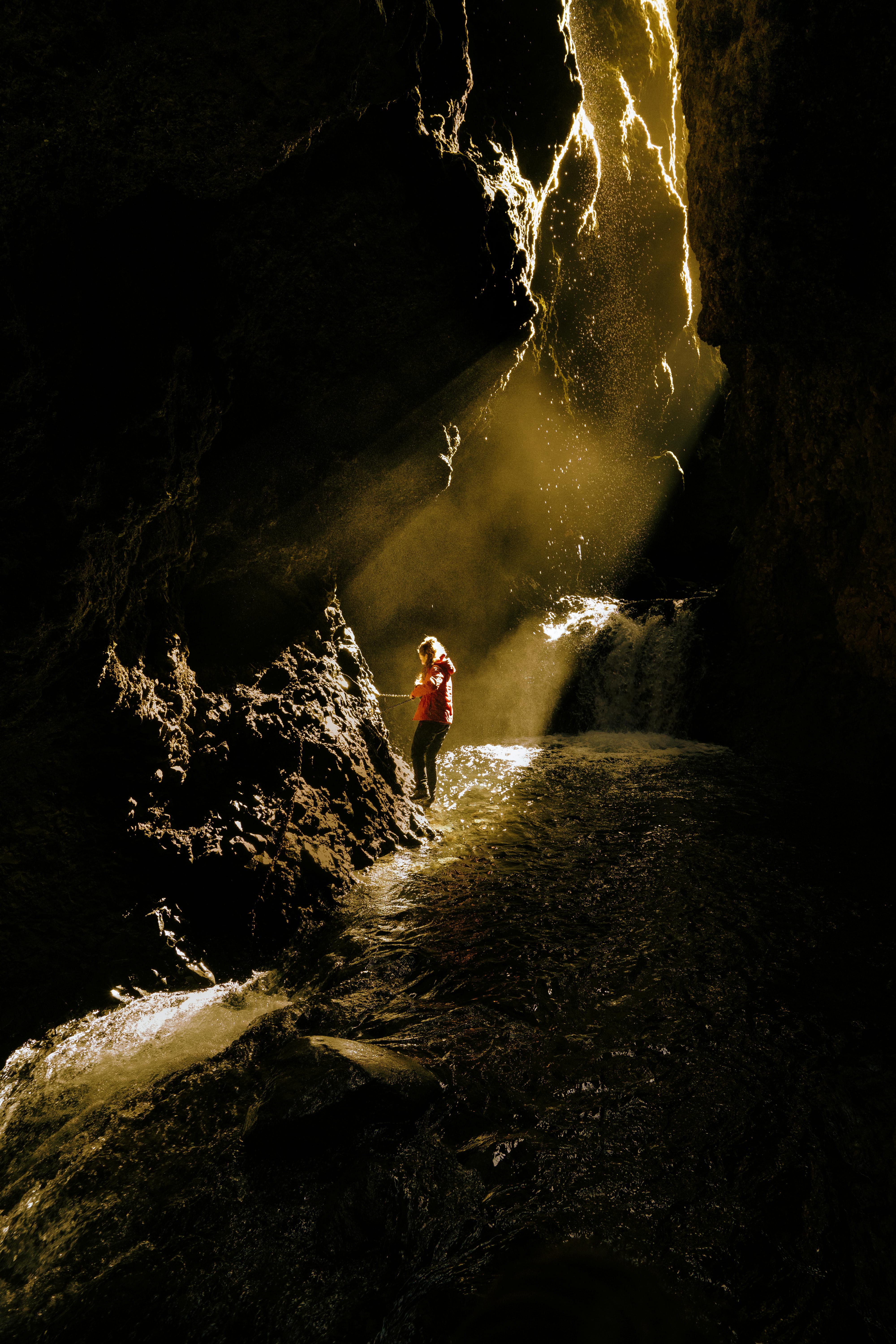
The History Of Spelunking: From Ancient Caves To Modern Exploration
Caves have fascinated humans for millennia, serving as shelters, ceremonial sites, and sources of mystery and awe. The history of spelunking dates back to ancient times when early humans first ventured into caves for survival and exploration. Archaeological evidence suggests that prehistoric peoples used caves for protection and as sites for ritualistic practices. These early encounters laid the foundation for our enduring fascination with caves.
In the centuries that followed, explorers continued to delve into the depths of caves, driven by curiosity and the desire for discovery. The 19th and 20th centuries saw significant advancements in spelunking, as explorers began to document their findings and develop techniques for safe exploration. The invention of modern equipment, such as headlamps and climbing gear, revolutionized the way we explore caves, allowing spelunkers to venture deeper and further than ever before.
Today, spelunking is a popular recreational activity enjoyed by adventurers worldwide. Modern explorers continue to uncover new cave systems, contributing to our understanding of Earth's geological history and the diverse ecosystems that exist underground. As you embark on your spelunking journey, you'll be joining a long tradition of exploration, discovery, and a deep appreciation for the hidden wonders of our planet.
Essential Gear For Spelunking:
What To Bring On Your Adventure
Proper equipment is crucial for a successful and safe spelunking experience. When preparing for your adventure, you'll need to gather a variety of gear tailored to your specific spelunking destination and the conditions you'll encounter. Here's a checklist to guide you in assembling your spelunking kit:
Helmet with Headlamp: A sturdy helmet protects you from head injuries, while a bright headlamp ensures visibility in the dark caves. Always carry extra batteries and a backup light source.
Clothing: Wear moisture-wicking, durable clothing that provides warmth and flexibility. Layering is essential, as cave temperatures can vary. Consider knee and elbow pads for additional protection.
Backpack: A lightweight, water-resistant backpack will help you carry your essentials, such as food, water, and additional gear. Opt for one with multiple compartments for better organization.
Footwear: Sturdy, non-slip footwear with good ankle support is essential for navigating uneven and slippery cave surfaces. Waterproof boots are recommended for wet caves.
Rope and Climbing Gear: If your spelunking trip involves climbing or rappelling, you'll need appropriate ropes, harnesses, and carabiners. Ensure all equipment is in excellent condition.
First Aid Kit: Accidents can happen, so a compact first aid kit with bandages, antiseptics, and pain relievers is necessary. Familiarize yourself with basic first aid procedures.
Navigation Tools: A map, compass, and GPS device are invaluable for orienting yourself within complex cave systems. Ensure you know how to use these tools effectively.
Having the right gear not only ensures your safety but also enhances your spelunking experience by allowing you to focus on exploration and discovery rather than discomfort or equipment issues.
Safety Precautions For Spelunking: Staying Safe Underground
Safety is paramount in spelunking, as caves can present various hazards, including unstable terrain, falling rocks, and unexpected flooding. To ensure a safe adventure, it's vital to adhere to a set of safety precautions and best practices:
Plan and Prepare: Before entering a cave, research its layout, conditions, and potential hazards. Inform someone of your location and expected return time.
Buddy System: Never spelunk alone. Always explore caves with a partner or group, as having assistance is crucial in case of emergencies. Keep communication devices handy.
Stay Within Your Limits: Assess your skill level and physical fitness honestly. Avoid attempting routes that exceed your capabilities. Build experience gradually.
Monitor Weather Conditions: Weather can significantly impact cave conditions. Check forecasts regularly, and be prepared for sudden changes. Avoid entering caves during adverse weather.
Avoid Touching Cave Formations: Stalactites and stalagmites are fragile and take centuries to form. Touching them can cause irreparable damage. Observe, but do not disturb.
Maintain a Safe Distance from Wildlife: Caves can be home to various species. Respect their space and avoid disturbing their habitat to ensure both your safety and theirs.
By adhering to these safety measures, you can reduce the risks associated with spelunking and focus on the rewarding aspects of your underground adventure.
Types Of Caves And Cave Systems: Understanding Your Environment
Caves come in various forms, each with unique characteristics and challenges. Understanding the different types of caves and how they form can enhance your spelunking experience:
Solution Caves: The most common type, formed by the dissolution of limestone or other soluble rocks by acidic water. These caves often feature intricate formations like stalactites and stalagmites.
Lava Tubes: Created by flowing lava, these tubes are characterized by smooth walls and floors. They are found in volcanic regions and provide a unique spelunking experience.
Sea Caves: Formed by the erosive action of waves on coastal cliffs. These caves can be affected by tides, so timing your exploration carefully is crucial.
Ice Caves: Found in glaciers or frozen landscapes, these caves are formed by meltwater carving out tunnels within ice. They offer stunning visuals but require specialized gear.
Talus Caves: Created by large boulders piled on top of each other, leaving gaps that form caves. These can be unstable, so caution is advised.
Understanding the type of cave you're exploring helps you anticipate potential challenges and tailor your preparation accordingly. Each cave type offers a distinct adventure, inviting you to appreciate the diverse geological processes shaping our planet.
Planning Your Spelunking Trip: Researching Locations And Conditions
Proper planning is essential for a successful spelunking trip. Before setting out, take the time to research potential locations and assess the conditions of each site. Consider the following factors when planning your adventure:
Cave Accessibility: Determine how accessible the cave is, including the availability of trails and transportation options. Some caves may require permits or guided tours.
Seasonal Considerations: Weather and seasonal changes can affect cave conditions. Research the best time of year to visit your chosen cave for optimal safety and enjoyment.
Difficulty Level: Evaluate the difficulty level of the cave and match it to your experience and physical capability. Start with beginner-friendly caves and progress to more challenging ones as you gain experience.
Local Regulations: Familiarize yourself with any regulations or restrictions in place for the cave or surrounding area. Respecting these rules ensures the preservation of the cave environment.
Prepare for Emergencies: Have a contingency plan in place for emergencies, including knowing the location of the nearest medical facilities and having emergency contact numbers on hand.
By thoroughly researching and planning your trip, you can ensure a smooth and enjoyable spelunking experience, minimizing potential risks and maximizing the adventure.
Techniques For Successful Spelunking: Skills For Navigating Caves
Navigating caves requires specific skills and techniques to ensure a successful exploration. Developing these skills will enhance your ability to safely traverse various cave environments:
Basic Climbing and Rappelling: Familiarize yourself with climbing and rappelling techniques if your spelunking involves vertical passages. Practice these skills in a safe environment before attempting them in caves.
Crawling and Squeezing: Many caves feature narrow passages that require crawling or squeezing through tight spaces. Practice these movements to build confidence and technique.
Map Reading and Navigation: Mastering map reading and navigation is essential for finding your way through complex cave systems. Regularly check your position against a map and use a compass or GPS for accuracy.
Communication Skills: Effective communication with your spelunking group is vital. Develop hand signals or establish a system for relaying information in noisy or hard-to-hear environments.
Environmental Awareness: Cultivate a keen sense of environmental awareness. Recognize landmarks and any changes in the cave environment that could indicate hazards or help with navigation.
By honing these skills, you'll be better equipped to handle the challenges of spelunking, making your underground adventures both safe and enjoyable.
Environmental Considerations:
Protecting Caves And Wildlife
As a spelunker, it's essential to adopt a conservation mindset, recognizing the importance of preserving caves and their ecosystems for future generations. Here are some key environmental considerations to keep in mind:
Leave No Trace: Adhere to the Leave No Trace principles by minimizing your impact on the cave environment. Avoid leaving trash, graffiti, or any form of pollution.
Respect Wildlife: Caves are home to unique species that are sensitive to disturbances. Avoid interacting with or disturbing wildlife, and refrain from using bright lights around them.
Conserve Water Resources: Many caves contain delicate water systems. Avoid contaminating these sources by practicing good hygiene and avoiding pollutants.
Support Conservation Efforts: Support organizations and initiatives dedicated to cave conservation. Participate in clean-up events or contribute to research efforts aimed at preserving these environments.
Educate Others: Share your knowledge of cave conservation with fellow spelunkers. Encourage others to adopt responsible practices to ensure the long-term health of cave ecosystems.
By prioritizing environmental considerations, you contribute to the protection of caves and the diverse life they support, ensuring these underground treasures remain intact for future explorers.
Spelunking Etiquette: Respecting Nature And Fellow Explorers
Practicing good spelunking etiquette is essential for fostering a positive experience for both yourself and others. Here are some guidelines to follow:
Respect Other Explorers: Maintain a friendly and cooperative attitude with fellow spelunkers. Offer assistance if needed and be mindful of noise levels and space.
Follow Established Trails: Stick to established paths to minimize damage to cave formations and prevent erosion. Avoid creating new trails or disturbing undisturbed areas.
Be Patient and Courteous: Offer right of way to other groups, especially in narrow passages. Communicate clearly and wait patiently during bottlenecks or challenging sections.
Honor Cultural and Historical Sites: Many caves hold cultural or historical significance. Show respect by not disturbing artifacts, inscriptions, or any cultural markers.
Share Knowledge and Experience: Encourage a spirit of camaraderie by sharing tips, experiences, and knowledge with fellow spelunkers. This fosters a supportive community and enhances everyone's experience.
Adhering to spelunking etiquette ensures a harmonious and respectful environment, allowing everyone to fully enjoy the wonders of cave exploration.
Conclusion: Embracing The Adventure Of Spelunking
Spelunking offers a unique blend of adventure, discovery, and connection with nature. By preparing thoroughly, practicing safety, and respecting the environment, you can fully embrace the thrill of exploring underground. Each spelunking trip presents an opportunity to discover new landscapes, challenge yourself, and appreciate the beauty of the Earth's hidden wonders.
Whether you're drawn to the intricate formations of solution caves, the volcanic paths of lava tubes, or the icy wonders of glacier caves, spelunking provides a gateway to a world few get to see. As you embark on your spelunking journey, remember to approach each adventure with curiosity, respect, and a commitment to preserving these incredible natural environments.
If you're ready to take the plunge into the world of spelunking, start planning your adventure today. Equip yourself with the necessary knowledge, gear, and skills, and embark on a journey that promises excitement, discovery, and a deeper appreciation for the planet we call home. Happy spelunking!
Ready to explore the depths of nature's underground wonders? Begin by researching local caves and preparing your gear. Whether you're a novice or a seasoned spelunker, there's always a new adventure waiting. Share your spelunking experiences with us and inspire others to embark on their own subterranean journeys!
Get Ready To Go On Your Spelunking Cave Discovery Adventure And Connection With The Beauty Of Nature!
Canadian Provinces And Territories
Non Affiliation Disclaimer:
The owners of Savingcraze.com are not affiliated with, associated with, or endorsed by any of the companies, brands, or entities mentioned in this content unless explicitly stated otherwise. All product names, logos, trademarks, and brand references are the property of their respective owners with the exception of free to use stock images. Their use in this content is for identification and reference purposes only and does not imply any relationship, sponsorship, or endorsement by those companies.
For more information read our full disclaimer here.
Medical Information Disclaimer
The information about health provided by the Service is not intended to diagnose, treat, cure or prevent disease. Products, services, information and other content provided by the Service, including information linking to third-party websites are provided for informational purposes only. Information offered by the Service is not comprehensive and does not cover all diseases, ailments, physical conditions or their treatment.
Individuals are different and may react differently to different products. Comments made on the Service by employees or other users are strictly their own personal views made in their own personal capacity and are not claims made by the Company nor do they represent the position or view of the Company. The Company is not liable for any information provided by the Service with regard to recommendations regarding supplements for any health purposes.
The Company makes no guarantee or warranty with respect to any products or services sold. The Company is not responsible for any damages for information or services provided even if the Company has been advised of the possibility of damages.
Fitness & Nutritional Information Disclaimer
The Service can offer health, fitness and nutritional information including, without limitation, advice and recommendation, that is provided solely as general education and informational purposes.
Use of the advice and information contained herein is at your sole choice and risk. You should not rely on this information as a substitute for, nor does it replace, professional medical advice, diagnosis, or treatment. Always consult your physician or healthcare provider before beginning any nutrition or exercise program.
If You choose to use this information without prior consent of your physician, You are agreeing to accept full responsibility for your decisions and agreeing to hold harmless the Company.
savingcraze.com/spelunkingpreparationtips
2026 © savingcraze.com. All rights reserved