Water Sourcing And Purification Methods For Survival In The Wild And Emergencies

AFFILIATE DISCLOSURE: Be informed that clicking on some of the links and making
purchases may result in the owner(s) of this site(s) to earn payments in commissions.
Introduction To Water Sourcing And Purification
When venturing into the wild or facing emergency scenarios, understanding how to source and purify water is paramount. Water is the cornerstone of survival, yet it is often taken for granted until it becomes scarce. Whether you're an avid hiker, camper, or someone preparing for emergency situations, knowing how to obtain and cleanse water is crucial. This guide provides you with essential techniques and insights to ensure you always have access to safe drinking water.
In nature, water can be found in various forms, from rivers and lakes to rain and dew. However, not all sources are safe to drink without purification. Water from natural sources often contains harmful pathogens and contaminants that can cause serious health issues. Thus, learning how to identify, collect, and purify water effectively is a skill that can save your life.
Throughout this article, you will explore different methods of water sourcing and purification, both natural and man-made. By the end, you will be equipped with the knowledge to stay hydrated and healthy, even in the most challenging environments.
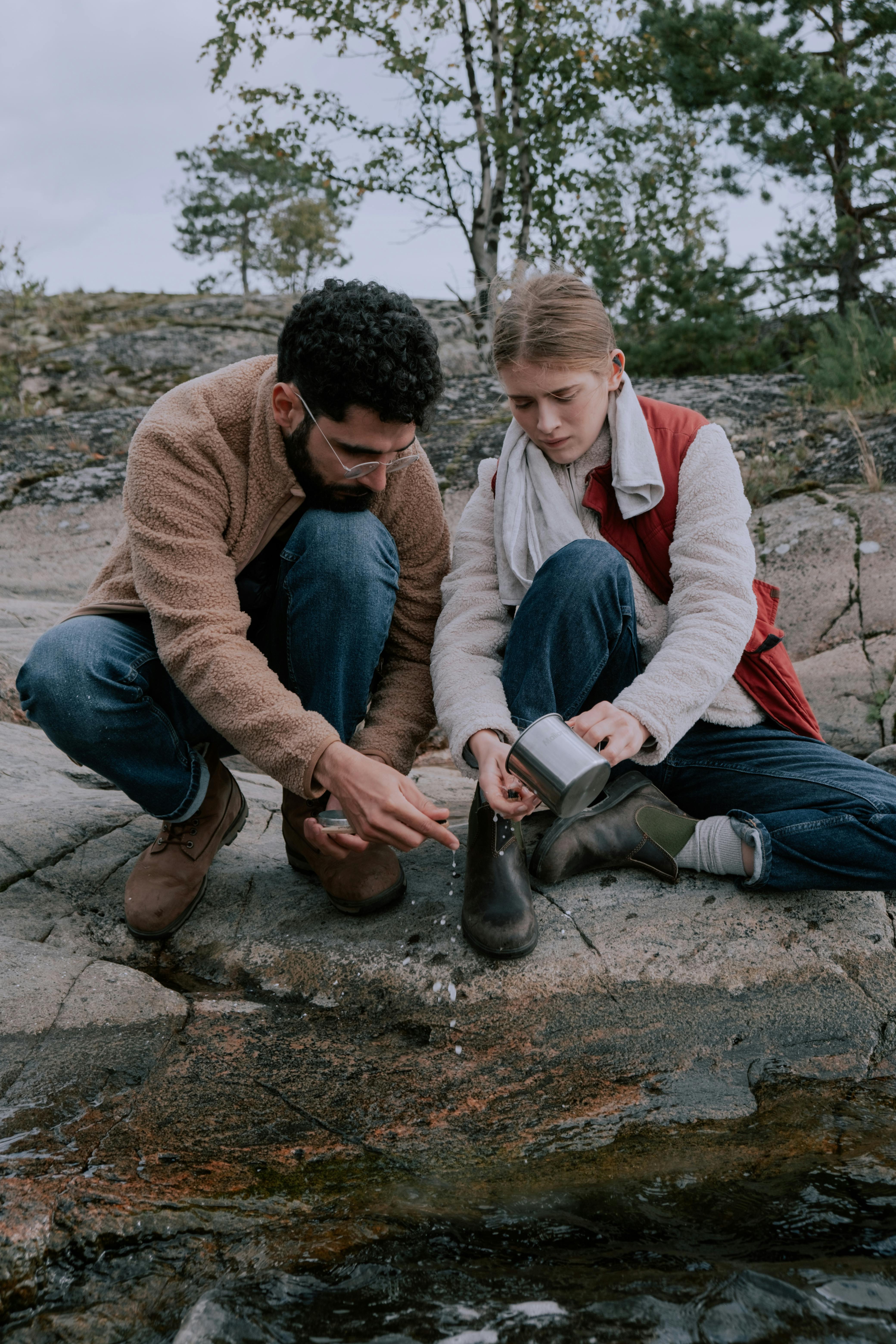
The Importance Of Water In Survival Situations
Water is vital for maintaining bodily functions, including temperature regulation, digestion, and waste elimination. In survival situations, dehydration can occur quickly, leading to serious health problems such as heatstroke, kidney failure, or even death. The human body can survive for weeks without food, but only a few days without water, highlighting its critical role in survival.
Understanding the signs of dehydration is essential in any survival scenario. Symptoms include thirst, dry mouth, fatigue, and dizziness. In severe cases, it can lead to confusion, rapid heartbeat, and unconsciousness. Recognizing these symptoms early can help you take action before the situation becomes dire.
In addition to its physiological importance, water also plays a psychological role in survival situations. The process of sourcing and purifying water can provide a sense of control and accomplishment, boosting morale and mental resilience. By mastering water sourcing techniques, you enhance your ability to survive and thrive in the wild.
Identifying Water Sources In The Wild
Locating water in the wild can be challenging, but with keen observation and knowledge, you can find viable sources. Natural water sources include streams, rivers, lakes, and ponds. These bodies of water are often visible on maps and can be identified by following the terrain. Valleys and low-lying areas are prime locations to find water.
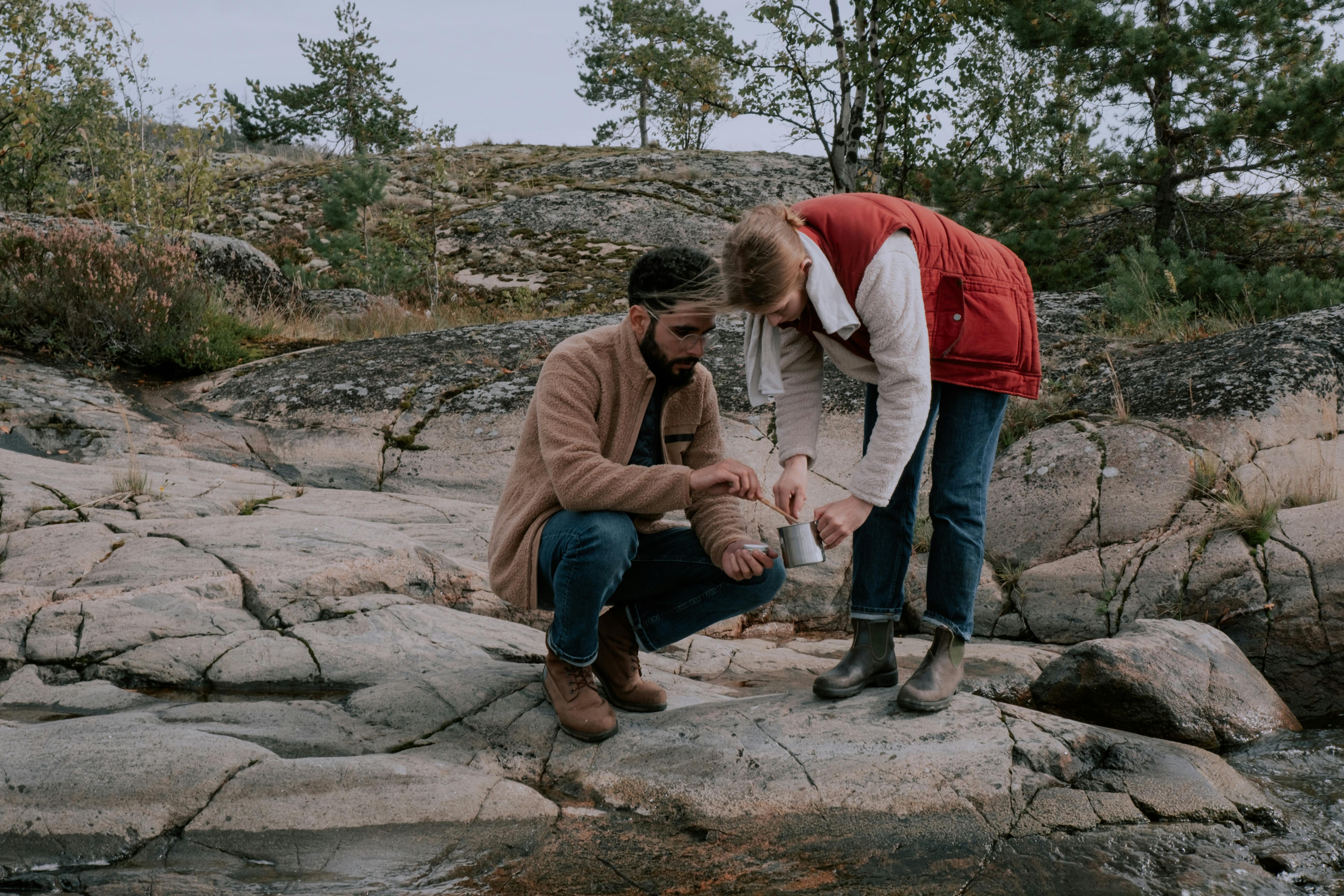
In addition to visible sources, water can also be found in less obvious places. Morning dew, collected using a cloth or plastic sheet, can provide a small but valuable amount of water. Rainwater is another excellent source, which can be collected using tarps or containers. Remember, even muddy or stagnant water can be purified for safe consumption.
Another technique is to observe wildlife behavior. Animals often follow specific paths to water sources, and areas with abundant vegetation usually indicate the presence of water. Birds, in particular, are reliable indicators of nearby water, as they often flock to water sources during the morning and evening.
Natural Water Purification Techniques
Natural purification methods leverage the environment to make water safe for consumption. One effective technique is solar disinfection (SODIS), which involves filling a clear plastic bottle with water and leaving it in direct sunlight for several hours. The UV rays from the sun kill most pathogens, making the water safer to drink.
Another method is sedimentation, where you allow water to sit undisturbed, giving heavy particles and debris time to settle at the bottom. This method is often paired with filtration, using materials like sand, gravel, and charcoal layered in a container to remove impurities. While not foolproof, these techniques can significantly reduce the risk of waterborne illnesses.
Natural filtration can also be achieved using plants. For instance, certain plants, such as water hyacinth, possess natural filtering properties that can help purify water. While these methods require time and patience, they are invaluable in situations where modern tools are unavailable.
Man-Made Water Purification Methods
Modern technology offers various man-made purification solutions that are both effective and portable. One popular method is the use of iodine or chlorine tablets, which are lightweight and easy to use. Simply add the tablet to water, wait the recommended time, and the water is safe to drink. However, these chemicals can alter the taste and are not suitable for long-term use.
Another reliable method is using a water filter or purifier. These devices come in various forms, such as pump filters, gravity-fed filters, and straw filters. They work by physically removing contaminants through a filtration medium. Water purifiers, on the other hand, often combine filtration with chemical treatment to eliminate bacteria, viruses, and protozoa.
For those who have access to electricity, UV water purifiers offer an effective solution. These devices use ultraviolet light to destroy pathogens without altering the water's taste or odor. While more expensive, they provide a quick and efficient way to purify large quantities of water.
Utilizing Portable Water Filters
Portable water filters are essential tools for any outdoor enthusiast or emergency preparedness kit. They are compact, lightweight, and require no chemicals, making them ideal for on-the-go use. These filters are designed to remove bacteria, protozoa, and other particulates from water, ensuring safe consumption.
When choosing a portable water filter, consider the filter's pore size, flow rate, and lifespan. A smaller pore size means more effective filtration, while a higher flow rate allows for quicker water processing. Additionally, some filters come with replaceable cartridges, extending their usability.
Using a portable water filter is straightforward. Simply insert the intake hose into the water source, pump, or sip through the filter, and enjoy clean water. It's important to remember to clean and maintain your filter regularly to ensure its effectiveness. Portable filters offer a reliable way to access safe water in the wild or during emergencies.
The Role Of Boiling In Water Purification
Boiling is one of the oldest and most reliable methods of water purification. Heating water to a rolling boil for at least one minute kills most pathogens, including bacteria, viruses, and parasites. At higher altitudes, where water boils at lower temperatures, extending the boiling time to three minutes is advisable.
Boiling is effective because it is simple and requires no special equipment beyond a heat source and a container. However, it does require fuel, which might be scarce in some situations. Despite this, the method's simplicity and effectiveness make it a staple in any survivalist's toolkit.
While boiling effectively purifies water, it does not remove chemical contaminants or particulates. Therefore, it's often used in conjunction with other methods, such as filtering, to ensure water is both safe and pleasant to drink.
Chemical Water Purification: Pros And Cons
Chemical purification involves adding substances like iodine or chlorine to water to eliminate pathogens. These methods are effective and easy to carry, making them suitable for emergency kits. They are particularly useful for treating large volumes of water quickly, a crucial advantage in survival situations.
However, chemical purification has its drawbacks. The chemicals can impart an unpleasant taste and odor to the water, which some people find off-putting. Additionally, long-term consumption of chemically treated water is not recommended due to potential health risks. It's also worth noting that chemical treatments may not be effective against all types of parasites or chemical pollutants.
Despite these limitations, chemical purification methods remain a popular choice for their ease of use and reliability. They are best used as a short-term solution, supplementing other purification methods when necessary.
Emergency Water Sourcing Strategies
In emergencies, the ability to source water quickly can make the difference between life and death. Urban environments present unique challenges, but they also offer unique opportunities. For instance, rainwater collection is highly effective and can be implemented using common household items like tarps, buckets, or even large leaves.
If you're in a more rural or wilderness setting, look for natural indicators of water, such as animal tracks, lush vegetation, or geographical features like valleys and gullies. In dire situations, you can also extract water from plants. Certain trees, like birch and maple, can be tapped for their water content, while vines and roots may provide moisture when cut.
It's essential to remain adaptable and resourceful, employing a combination of techniques to secure water. Always prioritize purification, as even seemingly clean water can harbor invisible threats.
Conclusion: Staying Hydrated In The Wild
Surviving in the wild or during emergencies requires knowledge, preparation, and a proactive approach to water sourcing and purification. By understanding the various methods available, you equip yourself with the tools needed to stay hydrated and healthy, no matter the circumstances.
Remember, the key to effective water sourcing and purification is preparation. Assemble a survival kit that includes multiple purification methods, such as portable filters, chemical tablets, and knowledge of natural techniques. By doing so, you ensure that you are ready to face any challenge that comes your way.
Water is life, and in the wild, it is your most valuable resource. Stay informed, stay prepared, and most importantly, stay hydrated.
Ready to take your survival skills to the next level? Equip yourself with the essential tools and knowledge to thrive in any environment.
Learn how to arm yourself with the necessary resources to maintain hydration and well-being, regardless of the situation.
Canadian Provinces And Territories
Non Affiliation Disclaimer:
The owners of Savingcraze.com are not affiliated with, associated with, or endorsed by any of the companies, brands, or entities mentioned in this content unless explicitly stated otherwise. All product names, logos, trademarks, and brand references are the property of their respective owners with the exception of free to use stock images. Their use in this content is for identification and reference purposes only and does not imply any relationship, sponsorship, or endorsement by those companies.
For more information read our full disclaimer here.
Medical Information Disclaimer
The information about health provided by the Service is not intended to diagnose, treat, cure or prevent disease. Products, services, information and other content provided by the Service, including information linking to third-party websites are provided for informational purposes only. Information offered by the Service is not comprehensive and does not cover all diseases, ailments, physical conditions or their treatment.
Individuals are different and may react differently to different products. Comments made on the Service by employees or other users are strictly their own personal views made in their own personal capacity and are not claims made by the Company nor do they represent the position or view of the Company. The Company is not liable for any information provided by the Service with regard to recommendations regarding supplements for any health purposes.
The Company makes no guarantee or warranty with respect to any products or services sold. The Company is not responsible for any damages for information or services provided even if the Company has been advised of the possibility of damages.
Fitness & Nutritional Information Disclaimer
The Service can offer health, fitness and nutritional information including, without limitation, advice and recommendation, that is provided solely as general education and informational purposes.
Use of the advice and information contained herein is at your sole choice and risk. You should not rely on this information as a substitute for, nor does it replace, professional medical advice, diagnosis, or treatment. Always consult your physician or healthcare provider before beginning any nutrition or exercise program.
If You choose to use this information without prior consent of your physician, You are agreeing to accept full responsibility for your decisions and agreeing to hold harmless the Company.
savingcraze.com/watersourcingandpurificationmethods
2026 © savingcraze.com. All rights reserved