14 Essential Hiking Safety Tips You Should Always Follow For A Safe Adventure
Includes A 32 Must-Have Gear Items for Your Hiking Backpack On Your Upcoming Trail Adventure For The Great Outdoors

AFFILIATE DISCLOSURE: Be informed that clicking on some of the links and making
purchases may result in the owner(s) of this site(s) to earn payments in commissions.
Understanding The Importance Of Hiking Safety
hiking safety, outdoor safety tips, hiking precautions, risk management in hiking, safe hiking practices
Understanding the importance of hiking safety is crucial for anyone who loves exploring the great outdoors. While hiking can be an exhilarating and rewarding experience, it’s essential to prioritize safety to ensure that your adventures remain enjoyable and free from unnecessary risks.
Implementing outdoor safety tips is not just a precaution; it’s a necessity. Before setting out on any trail, familiarize yourself with the area, check weather conditions, and inform someone of your plans. These simple steps can significantly enhance your risk management in hiking.
Moreover, practicing safe hiking practices can make all the difference between a memorable trek and a potentially dangerous situation. Carrying essential gear such as maps, first aid kits, and adequate food and water is vital. Additionally, understanding how to assess your physical limits will help you avoid overexertion.
Ultimately, prioritizing hiking precautions allows you to fully immerse yourself in nature while minimizing risks. Embrace these guidelines not only for your own safety but also for the well-being of those who hike alongside you. Remember: being prepared is the key to enjoying every moment on the trail!
Tip 1: Plan Your Route and Stick to It
trail planning, navigation tools, mapping apps for hiking, route tracking, informed hiking
When it comes to hiking, the first and most crucial tip is to plan your route and stick to it. Trail planning is not just a suggestion; it's an essential step that can significantly enhance your hiking experience and ensure your safety. Before you set foot on the trail, take advantage of navigation tools available today. Mapping apps for hiking are invaluable resources that allow you to explore various trails, assess their difficulty levels, and understand the terrain you'll encounter.
By utilizing these apps for route tracking, you can stay oriented throughout your hike. They provide real-time updates on your location, helping you avoid getting lost in unfamiliar territory. Moreover, planning ahead enables you to make informed decisions about when to turn back or adjust your course based on weather conditions or trail closures.
Informed hiking starts with preparation. By mapping out your journey beforehand and adhering strictly to that plan, you're not only safeguarding yourself but also maximizing the enjoyment of nature's beauty along the way. So grab those navigation tools and start plotting out a safe and exciting adventure!
Tip 2: Check Weather Conditions Before You Go
weather forecasts for hikers, weather apps for outdoor activities, impact of weather on hikes, seasonal considerations
When planning your next hiking adventure, one of the most crucial steps you must take is to check the weather conditions beforehand. Weather forecasts for hikers can significantly impact your experience on the trail, and being unprepared can lead to safety risks and discomfort. Utilizing reliable weather apps for outdoor activities allows you to access real-time updates and forecasts tailored specifically for hikers.

Understanding the impact of weather on hikes cannot be overstated. Rain, snow, or extreme temperatures can turn a pleasant excursion into a challenging ordeal. Seasonal considerations also play a vital role; what may seem like ideal hiking conditions in spring could quickly shift as summer approaches or fall sets in.
By staying informed about the expected weather, you can make better decisions about your route, gear up appropriately,
and ensure that your hike is both enjoyable and safe. Don't leave it to chance—check the forecast before you hit the trails!
Tip 3: Wear Appropriate Clothing and Footwear
Outdoor clothing tips, best hiking boots, layering system for hiking clothes, comfort and safety in footwear
When it comes to outdoor adventures, wearing appropriate clothing and footwear is not just a suggestion; it's a necessity. The right outdoor clothing tips can make all the difference between an enjoyable hike and a miserable experience. Start with the layering system for hiking clothes, which allows you to adapt to changing weather conditions effortlessly. A moisture-wicking base layer will keep you dry, an insulating middle layer provides warmth, and a waterproof outer layer protects against wind and rain.
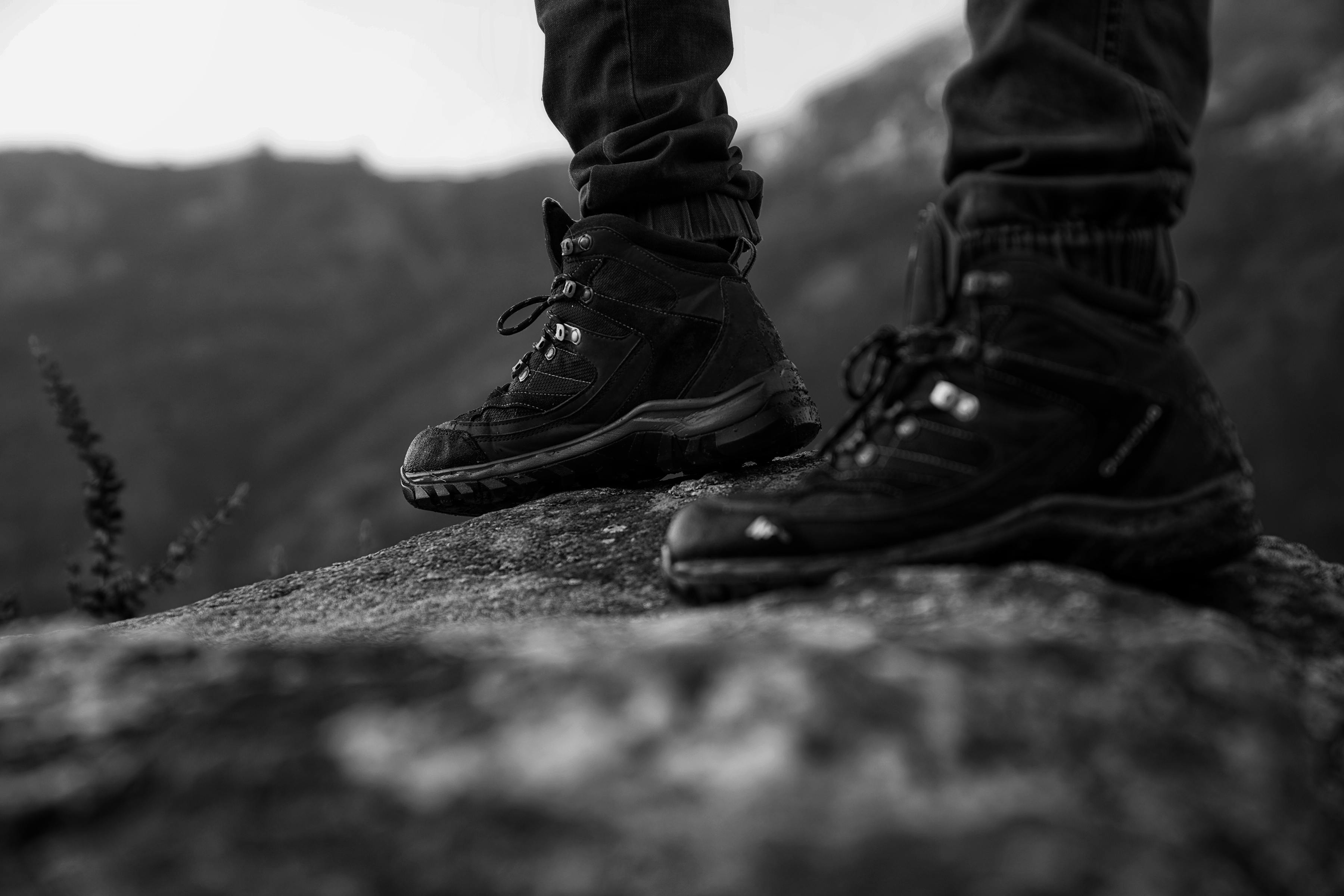
Equally important are your choice of hiking boots. The best hiking boots offer both comfort and safety, ensuring that your feet are well-supported on uneven terrain. Look for boots with good ankle support and sturdy soles that provide traction—these features can prevent slips and reduce fatigue during long treks.
Remember, the right clothing and footwear not only enhance your performance but also contribute significantly to your overall comfort on the trail. By investing in quality gear tailored for outdoor activities, you're setting yourself up for success—and ensuring that every hike is a memorable adventure rather than a battle against discomfort.
Tip 4: Carry A First Aid Kit And Know How To Use It

first aid essentials for hikers, emergency supplies checklist, basic first aid skills for outdoorsmen
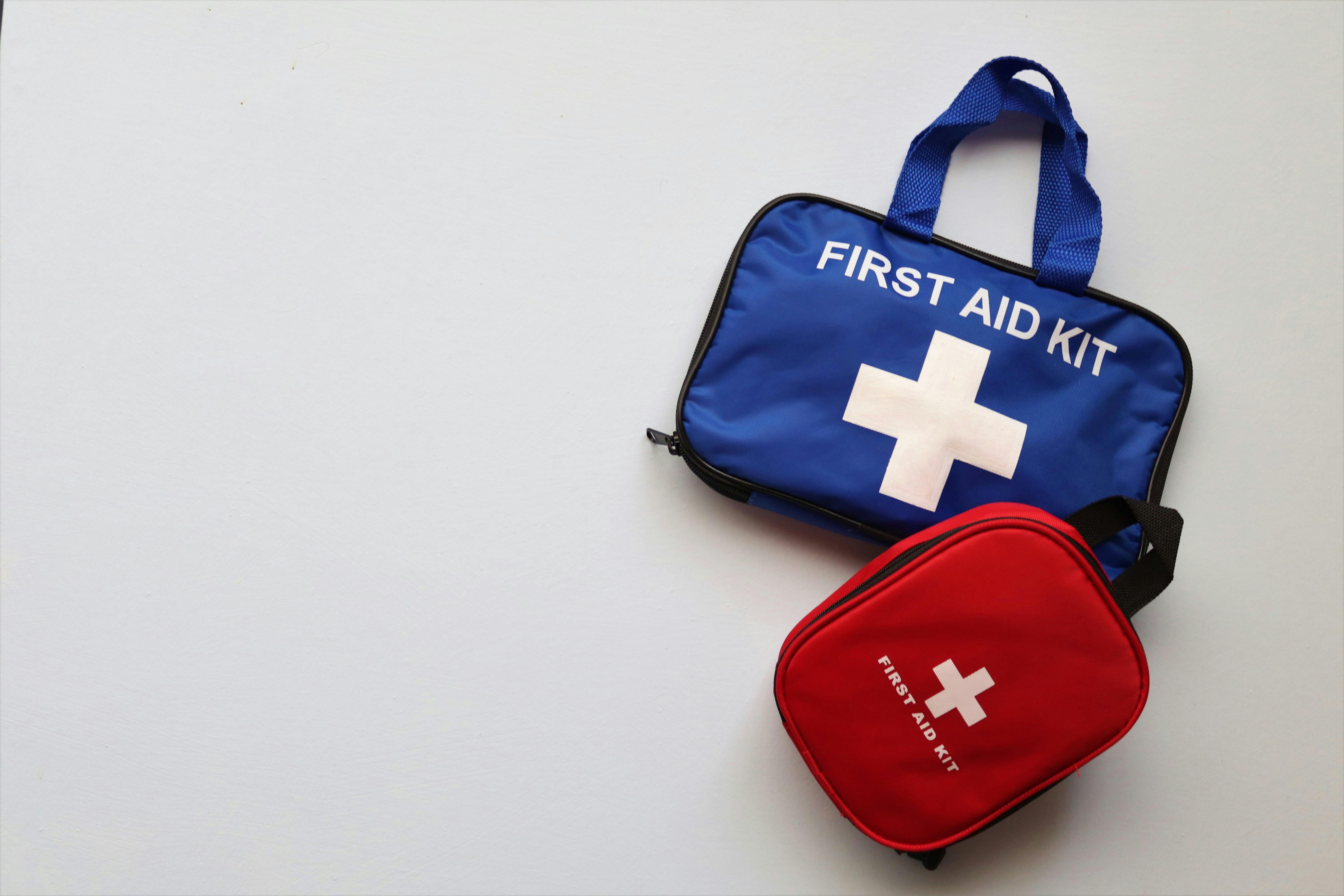
When venturing into the great outdoors, carrying a well-stocked first aid kit is not just a precaution—it's an absolute necessity. For hikers, understanding the first aid essentials for hikers can mean the difference between a minor inconvenience and a serious emergency. Your first aid kit should include items like adhesive bandages, antiseptic wipes, gauze pads, and pain relievers. But simply having these supplies isn't enough; knowing how to use them effectively is equally crucial.
An emergency supplies checklist will help ensure that you have all the necessary items before hitting the trails. Include items such as tweezers for splinter removal, safety pins for securing dressings, and even a space blanket to keep warm in case of unexpected weather changes.
Moreover, basic first aid skills for outdoorsmen are invaluable. Learning how to treat cuts and scrapes or perform CPR can empower you to handle situations confidently when they arise. Taking the time to familiarize yourself with these skills will not only enhance your hiking experience but could also save lives—possibly your own or that of someone else in need. So gear up with knowledge as much as you do with supplies; it’s an investment in safety that every hiker should prioritize.
Tip 5: Stay Hydrated And Bring Enough Water Supplies
wilderness hydration tips, water purification methods for hikes, importance of hydration while hiking
When embarking on a hiking adventure, one of the most crucial wilderness hydration tips you can follow is to stay hydrated. The importance of hydration while hiking cannot be overstated; it directly impacts your energy levels, endurance, and overall enjoyment of the experience. Dehydration can lead to fatigue, dizziness, and even serious health issues.
To ensure you have enough water supplies for your journey, plan ahead. Calculate the amount of water you'll need based on the length and intensity of your hike. A general rule of thumb is to drink about half a liter per hour during moderate activities. However, this may vary depending on factors like temperature and altitude.
In addition to carrying sufficient water, familiarize yourself with effective water purification methods for hikes. Whether you're using purification tablets, filters, or UV light devices, having a reliable way to treat natural water sources can be a game changer. This knowledge not only ensures that you stay hydrated but also allows you to explore further into the wilderness without the constant worry about running out of clean drinking water.
By prioritizing hydration and preparing appropriately with both ample supplies and purification methods, you'll enhance your hiking experience significantly—keeping you energized and ready to tackle any trail that comes your way!

Tip 6: Inform Someone About Your Plans Before You Leave
One of the most crucial yet often overlooked tips for a smooth transition when leaving is to inform someone about your plans before you go. This step is not just about being courteous; it’s a strategic move that can save you potential headaches down the line. By sharing your intentions with a trusted colleague, friend, or family member, you create a support system that can help facilitate your departure and ensure that everything runs smoothly in your absence.
Imagine the peace of mind you'll gain knowing someone is aware of your plans and can cover for you if needed. This communication also opens up avenues for advice or assistance as you navigate this change. Furthermore, it establishes transparency and trust in your relationships, which is invaluable whether in a professional setting or personal life. So take this simple yet powerful step: inform someone about your plans before you leave. It’s an investment in both clarity and connection that pays off significantly as you embark on new adventures.
Tip 7: Know Your Limits and Don't Push Yourself Too Hard
safety limits in outdoor adventures; recognizing fatigue in hikers; pacing yourself on trails
When embarking on outdoor adventures, one of the most crucial tips is to know your limits and not push yourself too hard. Safety limits in outdoor activities are not just guidelines; they are essential for ensuring a safe and enjoyable experience. Recognizing fatigue in hikers is key to preventing accidents and injuries. Many adventurers underestimate their physical capabilities or ignore warning signs of exhaustion, which can lead to dangerous situations.
Pacing yourself on trails is vital. It’s tempting to rush through a hike, especially when faced with breathtaking views or challenging terrain, but maintaining a steady pace allows your body to adapt and recover. Remember that every trail has its challenges, and it’s important to listen to your body. If you start feeling fatigued, take a break—hydrate, refuel, and gather your thoughts before continuing. By respecting your limits and pacing yourself wisely, you’ll enhance not only your safety but also the overall enjoyment of your adventure in nature. Prioritize self-awareness on the trails; it could make all the difference between an unforgettable experience and a regrettable one.
Tip 8: Stay on Designated Trails to Avoid Getting Lost
staying on marked trails, trail etiquette, reducing environmental impact, avoiding hazardous areas
Staying on marked trails is not just a matter of convenience; it is essential for your safety and the preservation of our natural landscapes. When you stick to designated paths, you significantly reduce the risk of getting lost in unfamiliar territory. These trails are designed to guide you through the most scenic and safe areas, ensuring that your adventure remains enjoyable and secure.
Moreover, adhering to trail etiquette is crucial for protecting the environment. Venturing off the beaten path can lead to soil erosion, habitat destruction, and disruption of local wildlife. By remaining on marked trails, you contribute to minimizing your environmental impact and preserving these beautiful spaces for future generations.
Additionally, avoiding hazardous areas is vital for your safety. Many off-trail sections may be unstable or home to hidden dangers like steep drops or aggressive wildlife. By respecting trail boundaries, you not only safeguard yourself but also help maintain the integrity of our outdoor spaces.
In conclusion, staying on designated trails enhances your hiking experience while promoting responsible outdoor practices. Embrace this simple yet effective tip—it’s a win-win for both adventurers and Mother Nature!
Tip 9 : Keep An Eye Out For Wildlife And Know How To Respond
wildlife safety tips, animal encounter precautions, recognizing dangerous animals while hiking, understanding animal behavior in the wild
Keeping an eye out for wildlife and knowing how to respond is crucial for ensuring your safety while hiking in nature. Understanding animal behavior can help you recognize potentially dangerous animals before an encounter occurs, allowing you to take the necessary precautions. For instance, being aware of the signs of a bear's presence—such as tracks or scat—can prepare you for a safe response should you cross paths with one.
It's also essential to know that some animals may react defensively if they feel threatened or cornered; maintaining a safe distance and remaining calm are vital in these situations. Carrying bear spray, making noise while hiking, and traveling in groups can further reduce the risk of surprising wildlife. By educating yourself on these wildlife safety tips and practicing awareness, you'll not only protect yourself but also respect the natural habitats that these animals call home, ensuring a safer experience for both hikers and wildlife alike.
Tip 10: Carry Navigation Tools And Know How To Use Them
GPS devices for hikers, compass usage skills, map reading techniques, technology aids in navigation
When embarking on any hiking adventure, one of the most crucial tips to remember is to carry navigation tools and know how to use them effectively. While modern technology has blessed us with advanced GPS devices for hikers, relying solely on these gadgets can lead to unforeseen challenges. Imagine your device running out of battery or losing signal in a remote area—without backup skills, you could find yourself disoriented and in danger.
This is where traditional navigation skills come into play. Mastering compass usage skills and map reading techniques can be lifesavers in the wilderness. A compass can guide you even when technology fails, providing a reliable sense of direction that GPS cannot match in all conditions. Additionally, understanding how to read a topographic map will give you insights into the terrain and help you make informed decisions about your route.
Incorporating both technology aids in navigation and fundamental skills ensures that you're well-prepared for any hiking situation. Equip yourself with both a reliable GPS device and the knowledge of how to navigate using traditional methods; this combination will boost your confidence on the trail and enhance your overall hiking experience. Remember, preparation is key—don't let lack of navigation know-how turn an exciting adventure into a stressful ordeal!
Tip 11 : Be Aware Of Potential Hazards On The Trail
identifying trail hazards, dealing with slippery surfaces or obstacles, understanding natural risks like falling rocks or flash floods
When embarking on a hiking adventure, it's crucial to prioritize safety by being aware of potential hazards on the trail. Identifying trail hazards can mean the difference between an enjoyable outing and a dangerous situation. Always keep an eye out for slippery surfaces or obstacles that could cause you to lose your footing. Wet rocks, muddy patches, and loose gravel can be treacherous, so take your time navigating through these areas.
Moreover, understanding natural risks is equally important. Falling rocks can pose serious threats in mountainous regions, especially during windy conditions or after heavy rainfall. Similarly, flash floods can occur rapidly in certain areas; therefore, always check the weather forecast before heading out and familiarize yourself with the terrain's drainage patterns.
By staying vigilant and informed about these potential hazards, you empower yourself to make safer choices while enjoying nature's beauty. Remember: preparation is key to ensuring that your hiking experience is both thrilling and secure!
Tip 12 : Maintain A Steady Pace And Take Breaks When Needed
pacing strategies during hikes, importance of rest breaks outdoors, listening to your body while trekking
When it comes to hiking, one of the most crucial yet often overlooked aspects is mastering your pacing strategies. Establishing a steady pace not only enhances your endurance but also allows you to fully enjoy the breathtaking scenery around you. It's essential to find a rhythm that feels comfortable and sustainable, rather than pushing yourself too hard right from the start.
Equally important is recognizing the significance of rest breaks outdoors. These moments are not just opportunities to catch your breath; they are vital for replenishing your energy and preventing fatigue. Taking regular breaks helps maintain your focus and keeps you in tune with nature, allowing you to appreciate every step of your journey.
Listening to your body while trekking cannot be overstated. If you're feeling fatigued or strained, don’t hesitate to slow down or take a breather. Ignoring these signals can lead to burnout or even injury, which could derail your entire adventure. By pacing yourself and incorporating well-timed breaks, you'll ensure that each hike remains enjoyable and memorable—making every moment spent on the trail truly worthwhile.
Tip 13 : Travel With A Group Or Partner Whenever Possible
benefits of group hikes, ensuring safety in numbers, finding companions for outdoor adventures
Traveling with a group or partner whenever possible can significantly enhance your outdoor adventures, and the benefits of group hikes are numerous. First and foremost, there’s the undeniable advantage of safety in numbers. Whether you're navigating challenging terrain or exploring unfamiliar trails, having companions by your side ensures that help is readily available in case of emergencies. This added layer of security allows you to fully immerse yourself in the experience without constant worry.
Moreover, finding companions for outdoor adventures can enrich your journey in unexpected ways. Sharing the beauty of nature with others fosters camaraderie and creates lasting memories. Group hikes often lead to shared stories, laughter, and a deeper connection to both your surroundings and each other. Additionally, traveling with a partner or group can motivate you to push beyond your limits; you’re more likely to tackle those daunting peaks when you have friends cheering you on.
In essence, whether you're an experienced hiker or just starting out, consider making group travel a priority for your next adventure. The blend of safety, companionship, and motivation makes it an option that not only enhances enjoyment but also cultivates a sense of community among fellow outdoor enthusiasts. So grab some friends or family members—your next unforgettable journey awaits!

Tip 14: Be Prepared For Emergencies With A Backup Plan
emergency preparedness, crisis management outdoors, creating contingency plans, essential items to pack
In the unpredictable world we live in, emergency preparedness is not just a luxury—it's a necessity. Whether you’re embarking on an outdoor adventure or simply navigating daily life, having a backup plan can be the difference between chaos and calm during a crisis. Effective crisis management outdoors begins with creating contingency plans that address potential scenarios you might face.
Start by identifying risks specific to your environment. Are you hiking in remote areas prone to sudden weather changes? Are you camping where wildlife encounters are possible? Once you've assessed these risks, outline clear steps to take should an emergency arise. This might include knowing the nearest exit routes, establishing communication protocols with your group, or designating meeting points.
Moreover, ensuring you're equipped with essential items to pack is crucial for any emergency situation. A well-stocked first aid kit, sufficient food and water supplies, navigation tools like maps and compasses, and reliable communication devices should be at the forefront of your packing list. By preparing for emergencies with thoughtful planning and essential gear, you'll not only enhance your safety but also empower yourself to enjoy your adventures with confidence. Remember: when it comes to emergencies, being prepared is not just smart—it's vital.
Hiking Checklist
32 Essential Hiking Back Pack Gear Items To Bring On Your Next Hiking Trail Near You
When embarking on a hike or cave adventure, it's crucial to be prepared with the right gear and supplies. Here is an essential list of items to bring with you for a safe and enjoyable outdoor experience:
1. Clothing:
1. Moisture-wicking base layers
2. Insulating layers
3. Waterproof and windproof jacket
4. Hat and gloves
5. Extra socks
6. Sturdy hiking boots or shoes
When preparing for a hiking trip, the right clothing can make all the difference between an enjoyable adventure and an uncomfortable trek. First and foremost, invest in moisture-wicking base layers. These garments are designed to draw sweat away from your skin, keeping you dry and comfortable as you exert yourself on the trail.
Next, don’t underestimate the importance of insulating layers. Whether it’s a fleece or a lightweight down jacket, these layers trap body heat while allowing for breathability, ensuring that you stay warm without overheating during your hike.
A waterproof and windproof jacket is essential for unpredictable weather conditions. This outer layer will protect you from rain and gusty winds, allowing you to focus on your surroundings rather than battling the elements.
Additionally, pack a hat and gloves to shield yourself from cold temperatures or harsh sun exposure. These accessories can easily be stowed in your backpack until needed but can significantly enhance your comfort when conditions change.
Extra socks are another must-have item; they provide backup in case your feet get wet or sweaty. Dry socks can prevent blisters and keep your spirits high during long hikes.
Finally, sturdy hiking boots or shoes are non-negotiable. They provide crucial support and traction on uneven terrain while protecting your feet from rocks and roots along the way. With these essential clothing items packed for your hiking trip, you'll be well-equipped to tackle any trail with confidence!
2. Tools and Repair Items:
7. Multi-tool or knife
8. Duct tape
9. Rope or cord
10. Repair kit for gear and equipment
3. Survival Tools:
11. Emergency whistle
12. Fire starter (lighter, matches)
13. Emergency blanket
14. Signal mirror
When preparing for a hiking trip, packing the right tools and repair items can mean the difference between a minor inconvenience and a major setback. Among the essentials you should never overlook are a multi-tool or knife, duct tape, rope or cord, and a comprehensive repair kit for your gear and equipment.
A multi-tool or knife is invaluable for various tasks—from slicing through rope to opening packages. Its versatility makes it an essential item in any hiker's pack. Similarly, duct tape is often hailed as “the ultimate fix-it tool.” Whether you need to patch up gear or secure loose items, its strength and adaptability make it indispensable on the trail.
Rope or cord is another must-have; it can be used for anything from setting up a shelter to securing equipment. Coupled with a well-stocked repair kit for gear and equipment—complete with patches, adhesive, and spare parts—you’ll be prepared to tackle unforeseen challenges that may arise during your adventure.
In addition to these practical items, don’t forget essential survival tools such as an emergency whistle—an effective way to signal for help if needed—and a reliable fire starter (lighter or matches) that ensures you can create warmth or cook food when necessary. An emergency blanket provides crucial insulation in unexpected weather changes while a signal mirror can help alert rescuers if you're lost.
By equipping yourself with these tools and repair items before hitting the trail, you'll not only enhance your safety but also boost your confidence in handling whatever nature throws your way.
4. Food:
15. High-energy snacks (nuts, granola bars)
16. Dehydrated meals or trail mix
17. Water and water purification tablets or filter
When planning a hiking trip, the right food can make all the difference in your energy levels and overall experience. High-energy snacks are essential for keeping your stamina up on the trail, and options like nuts and granola bars are perfect for quick boosts. These snacks not only provide a concentrated source of energy but also pack in healthy fats and protein to sustain you throughout your hike.
Additionally, consider bringing dehydrated meals or trail mix as part of your supplies. Dehydrated meals are lightweight and easy to prepare—just add water! They offer a hearty option at the end of a long day on the trail. Trail mix, on the other hand, is a versatile snack that combines various ingredients like dried fruits, seeds, and chocolate for an energy-packed treat that’s easy to munch on while walking.
Equally important is hydration; carrying enough water is crucial. Don’t forget to pack water purification tablets or a filter system if you're planning to refill from natural sources along the way. This ensures you have access to safe drinking water without adding unnecessary weight to your backpack. By carefully selecting high-energy foods and ensuring proper hydration, you'll be well-equipped to tackle any hiking adventure with confidence!
5. Shelter:
18. Lightweight tent or emergency shelter
19. Sleeping bag or bivvy sack
Finding shelter is not just a matter of comfort; it’s essential for safety and overall enjoyment. A lightweight tent or emergency shelter can significantly enhance your outdoor experience. These shelters are designed to be portable, making them easy to pack without adding excessive weight to your gear. This means you can trek longer distances without feeling bogged down.
Pairing your shelter with a quality sleeping bag or bivvy sack is equally crucial. A sleeping bag provides the warmth and insulation needed for restful sleep after a long day on the trails, while a bivvy sack offers an ultra-light alternative that protects against the elements without the bulk of traditional tents. Together, these items ensure that you have a safe haven where you can recharge, allowing you to fully appreciate the beauty of nature around you.
Incorporating these essentials into your hiking gear not only guarantees protection from unpredictable weather but also enhances your ability to explore more remote areas with confidence. In essence, investing in a lightweight tent or emergency shelter along with an appropriate sleeping solution transforms any hiking trip into an adventure filled with comfort and peace of mind. Don’t overlook this critical aspect; finding shelter could very well be the key to unlocking unforgettable experiences in the great outdoors.
6. Footwear:
20. Extra laces for boots or shoes
21. Gaiters (for hiking in snow or mud)
The right footwear is essential to ensure both comfort and safety on the trail. One item that often goes overlooked is having extra laces for your boots or shoes. It may seem minor, but a broken lace can quickly turn an enjoyable hike into a frustrating ordeal. By packing an extra pair of laces, you can easily replace any damaged ones and keep moving without interruption.
Additionally, if you’re planning to tackle trails that might be muddy or snow-covered, gaiters are a must-have accessory. These protective coverings wrap around your ankles and lower legs, preventing dirt, debris, and moisture from entering your boots.
Gaiters not only enhance your comfort but also extend the life of your footwear by keeping them cleaner and drier. Investing in these two simple items—extra laces and gaiters—can significantly improve your hiking experience, allowing you to focus on enjoying nature rather than worrying about potential mishaps with your gear.
7. Navigation:
22. Map of the area and compass
23. GPS device or smartphone with GPS app
24. Headlamp or flashlight with extra batteries
Ensuring you have the right navigation tools is crucial for a safe and enjoyable experience. First and foremost, carrying a detailed map of the area along with a reliable compass should be non-negotiable. While technology has its benefits, nothing beats the reliability of traditional navigation methods. A map can provide context to your surroundings that digital devices may not fully convey, especially in remote areas.
In addition to your map and compass, consider bringing a GPS device or a smartphone equipped with a GPS app. These tools can offer real-time tracking and help you navigate unfamiliar terrain with ease. However, always remember that technology can fail due to low battery or poor signal; hence the importance of having backup methods like your map and compass.
Lastly, don’t overlook the necessity of a headlamp or flashlight with extra batteries. In case your hike extends into dusk or if you find yourself lost after dark, having reliable light sources will ensure you can safely navigate your way back. By equipping yourself with these essential navigation tools—map and compass, GPS device or smartphone app, and dependable lighting—you set yourself up for success on any hiking adventure.
8. Emergency and First Aid:
25. First aid kit with bandages, antiseptic wipes, and pain relievers
26. Personal medications
27. Emergency contact information
28. Cell phone and solar phone charger
Preparation is key to ensuring a safe and enjoyable experience. One of the most critical components of your gear should be an adequately stocked first aid kit. At a minimum, your first aid kit should include bandages, antiseptic wipes, and pain relievers—essentials that can address minor injuries and discomforts that may arise on the trail.
In addition to general supplies, it’s crucial to carry any personal medications you may need. Whether it's allergy medication or something for chronic conditions, having these on hand can make all the difference in your well-being during your adventure.
Also, don’t overlook the importance of emergency contact information. Keep a list of important phone numbers in an easily accessible place within your pack. This simple step ensures that help can be reached quickly if needed. By equipping yourself with these essentials—first aid supplies, personal medications, and emergency contacts—you’re not just preparing for the unexpected; you’re empowering yourself to tackle any challenge that comes your way while hiking.
When preparing for a hike, carrying a cellphone and solar charger is essential. Your phone serves as your lifeline, providing navigation, emergency communication, and vital weather or trail information. Being lost without the ability to call for help is a risk you cannot afford. If your phone runs out of battery, a solar charger becomes crucial.
These lightweight devices harness sunlight to keep your electronics powered during your trek. Whether capturing views or using GPS, having extra charge can be invaluable. Investing in a reliable cellphone and efficient solar charger ensures you stay connected and safe outdoors. Don't let dead batteries ruin your adventure; equip yourself with these essential tools for peace of mind on every hike.
9. Health and Hygiene:
29. Sunscreen and lip balm
30. Insect repellent
31. Hand sanitizer
32. Toilet paper and trowel (for backcountry bathroom needs)
Ensuring your safety and comfort should be at the forefront of your packing list. Among the essentials that often get overlooked are sunscreen, insect repellent, hand sanitizer, and the practical duo of toilet paper and a trowel for backcountry bathroom needs.
Sunscreen and lip balm are non-negotiable items; they protect your skin and lips from harmful UV rays, which can lead to painful sunburns even on cloudy days. Applying these products regularly throughout your hike can prevent discomfort and long-term skin damage.
Insect repellent is equally crucial. The great outdoors is home to numerous biting insects that can ruin an otherwise enjoyable experience. A good insect repellent will keep mosquitoes and ticks at bay, allowing you to focus on the beauty around you rather than scratching itchy bites.
Hand sanitizer should also be part of your hiking kit. Clean hands are essential when you're out in nature—whether you're snacking or taking care of other personal needs—especially when access to soap and water may be limited.
Finally, don’t forget toilet paper and a trowel for those inevitable backcountry bathroom breaks. Being prepared with these items not only ensures your comfort but also helps you adhere to Leave No Trace principles by properly disposing of waste.
By including these emergency first aid essentials in your hiking gear, you’ll enhance both your safety and enjoyment on the trail. Don’t leave home without them!
Remember to pack your backpack efficiently, distribute weight evenly, and adjust items based on the duration and difficulty of your hike or cave adventure. Stay safe, follow Leave No Trace principles, and enjoy the great outdoors responsibly.
**Conclusion**: Take Action Today by Following These Essential Hiking Safety Tips!
In conclusion, prioritizing safety while hiking is not just a recommendation; it’s an absolute necessity. The great outdoors can be unpredictable, and being prepared is the key to ensuring a safe and enjoyable experience. By following these essential hiking safety tips, you empower yourself to tackle any trail with confidence. Always plan ahead by researching your route, checking weather conditions, and informing someone about your plans. Equip yourself with the right gear, including proper footwear and navigation tools. Stay hydrated and nourished during your hike to maintain energy levels.
Remember, the beauty of nature awaits those who respect its boundaries. So take action today—implement these safety tips on your next adventure! Your future self will thank you for it as you enjoy the breathtaking views and exhilarating moments that only hiking can provide. Safety first means adventure always!
Prepare yourself to confidently navigate any path with our compilation of crucial hiking safety guidelines.
Canadian Provinces And Territories
Non Affiliation Disclaimer:
The owners of Savingcraze.com are not affiliated with, associated with, or endorsed by any of the companies, brands, or entities mentioned in this content unless explicitly stated otherwise. All product names, logos, trademarks, and brand references are the property of their respective owners with the exception of free to use stock images. Their use in this content is for identification and reference purposes only and does not imply any relationship, sponsorship, or endorsement by those companies.
For more information read our full disclaimer here.
Medical Information Disclaimer
The information about health provided by the Service is not intended to diagnose, treat, cure or prevent disease. Products, services, information and other content provided by the Service, including information linking to third-party websites are provided for informational purposes only. Information offered by the Service is not comprehensive and does not cover all diseases, ailments, physical conditions or their treatment.
Individuals are different and may react differently to different products. Comments made on the Service by employees or other users are strictly their own personal views made in their own personal capacity and are not claims made by the Company nor do they represent the position or view of the Company. The Company is not liable for any information provided by the Service with regard to recommendations regarding supplements for any health purposes.
The Company makes no guarantee or warranty with respect to any products or services sold. The Company is not responsible for any damages for information or services provided even if the Company has been advised of the possibility of damages.
Fitness & Nutritional Information Disclaimer
The Service can offer health, fitness and nutritional information including, without limitation, advice and recommendation, that is provided solely as general education and informational purposes.
Use of the advice and information contained herein is at your sole choice and risk. You should not rely on this information as a substitute for, nor does it replace, professional medical advice, diagnosis, or treatment. Always consult your physician or healthcare provider before beginning any nutrition or exercise program.
If You choose to use this information without prior consent of your physician, You are agreeing to accept full responsibility for your decisions and agreeing to hold harmless the Company.
savingcraze.com/essentialhikingsafetytips
2026 © savingcraze.com. All rights reserved