Top 10 U.S. States For Wildlife Viewing: A Guide For Animal Study And Observation

AFFILIATE DISCLOSURE: Be informed that clicking on some of the links and making purchases may result in the owner(s) of this site(s) to earn payments in commissions.
Introduction To Wildlife Viewing In the U.S.
Wildlife viewing in the United States offers a unique opportunity to connect with nature and observe a diverse range of animal species in their natural habitats. From the majestic grizzly bears in Alaska to the stunning bird migrations in Florida, the U.S. is home to some of the most spectacular wildlife experiences on the planet. As you embark on this journey, you'll discover that each state offers its own unique blend of ecosystems and species, making it a haven for wildlife enthusiasts.
Not only does wildlife viewing allow you to appreciate the beauty and wonder of nature, but it also serves as a vital tool for education and conservation. By observing animals in their natural environments, you can gain insights into their behaviors, life cycles, and the challenges they face. This knowledge is crucial in fostering a deeper understanding and respect for the natural world, ultimately contributing to its preservation.
Whether you're a seasoned wildlife observer or a curious beginner, the U.S. presents endless opportunities to experience the wild. By exploring the top states for wildlife viewing, you'll be able to plan your next adventure and immerse yourself in the wonders of the natural world.
Importance Of Wildlife Observation For Animal Study
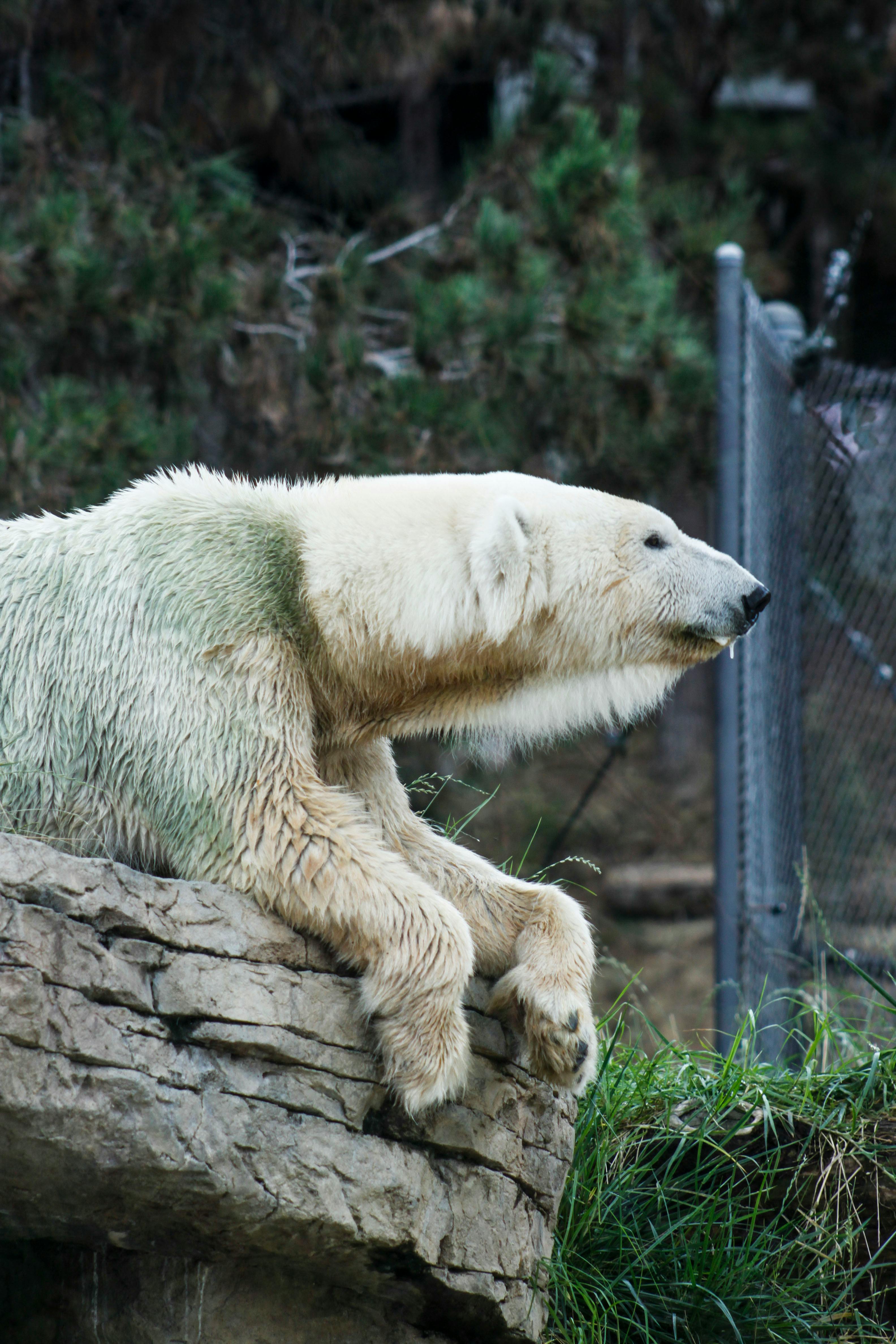
Wildlife observation is not just a leisure activity; it's an essential practice for scientists, conservationists, and nature enthusiasts alike. By studying animals in their natural habitats, you contribute to the understanding of biodiversity and ecosystem dynamics. This information is critical for crafting effective conservation strategies and ensuring the survival of various species.
Moreover, wildlife observation allows for the collection of valuable data on animal behavior, migration patterns, and population dynamics. This data is crucial for identifying species at risk and implementing measures to protect them. By engaging in wildlife viewing, you can play a part in efforts to maintain ecological balance and support the sustainable management of natural resources.
Your participation in wildlife viewing can also bolster local economies. Many states benefit from eco-tourism, which helps fund conservation projects and provides communities with economic incentives to protect their natural landscapes. By choosing to observe wildlife responsibly, you contribute to these efforts and help preserve these vital ecosystems for future generations.
Criteria For Ranking The Top States For Wildlife Viewing
When determining the top states for wildlife viewing, several criteria are considered to ensure a comprehensive and rewarding experience. These criteria include biodiversity, the presence of unique or endangered species, accessibility to natural habitats, and the availability of guided tours and educational resources.
Biodiversity: States with a wide range of ecosystems, such as forests, wetlands, and coastlines, offer more opportunities to observe diverse species.
Unique or Endangered Species: States known for hosting rare or threatened species rank higher due to the unique viewing opportunities they present.
Accessibility: The ease with which you can access wildlife-rich areas, including the availability of trails, lookouts, and transportation, is crucial for a fulfilling experience.
Educational Resources: States that offer guided tours, wildlife viewing platforms, and visitor centers provide more enriching experiences by educating visitors about local fauna and flora.
By considering these factors, you can choose a state that aligns with your interests
and offers the best opportunities for wildlife observation and study.
Overview of the Top 10 U.S. States for Wildlife Viewing
The U.S. is vast and diverse, offering a myriad of wildlife viewing experiences.
Here's a brief overview of the top 10 states for wildlife viewing, each with its own unique attractions:
Alaska: Known for its grizzly bears, moose, and whales, Alaska offers unparalleled scenery and wildlife opportunities.
Florida: The Everglades and numerous coastal areas make Florida a hotspot for birdwatching and marine life observation.
California: From the Sierra Nevada to the Pacific coast, California hosts a variety of species, including sea lions and condors.
Montana: Home to Glacier National Park, Montana offers sightings of bison, elk, and eagles.
Wyoming: Famous for Yellowstone National Park, Wyoming is a haven for observing wolves, bison, and geysers.
Colorado: With its Rocky Mountain backdrop, Colorado is ideal for viewing big horn sheep and mountain lions.
Arizona: The diverse habitats in Arizona, including deserts and forests, support species like jaguars and roadrunners.
Texas: Its expansive landscapes are home to a variety of wildlife, including armadillos and migratory birds.
Oregon: Known for its lush forests and coastline, Oregon offers sightings of gray whales and black bears.
Maine: Famous for its moose and coastal wildlife, Maine provides breathtaking views and abundant biodiversity.
Each of these states offers a unique set of wildlife and natural beauty, making them top choices for your wildlife viewing adventures.
Detailed Profiles Of Each State
Alaska
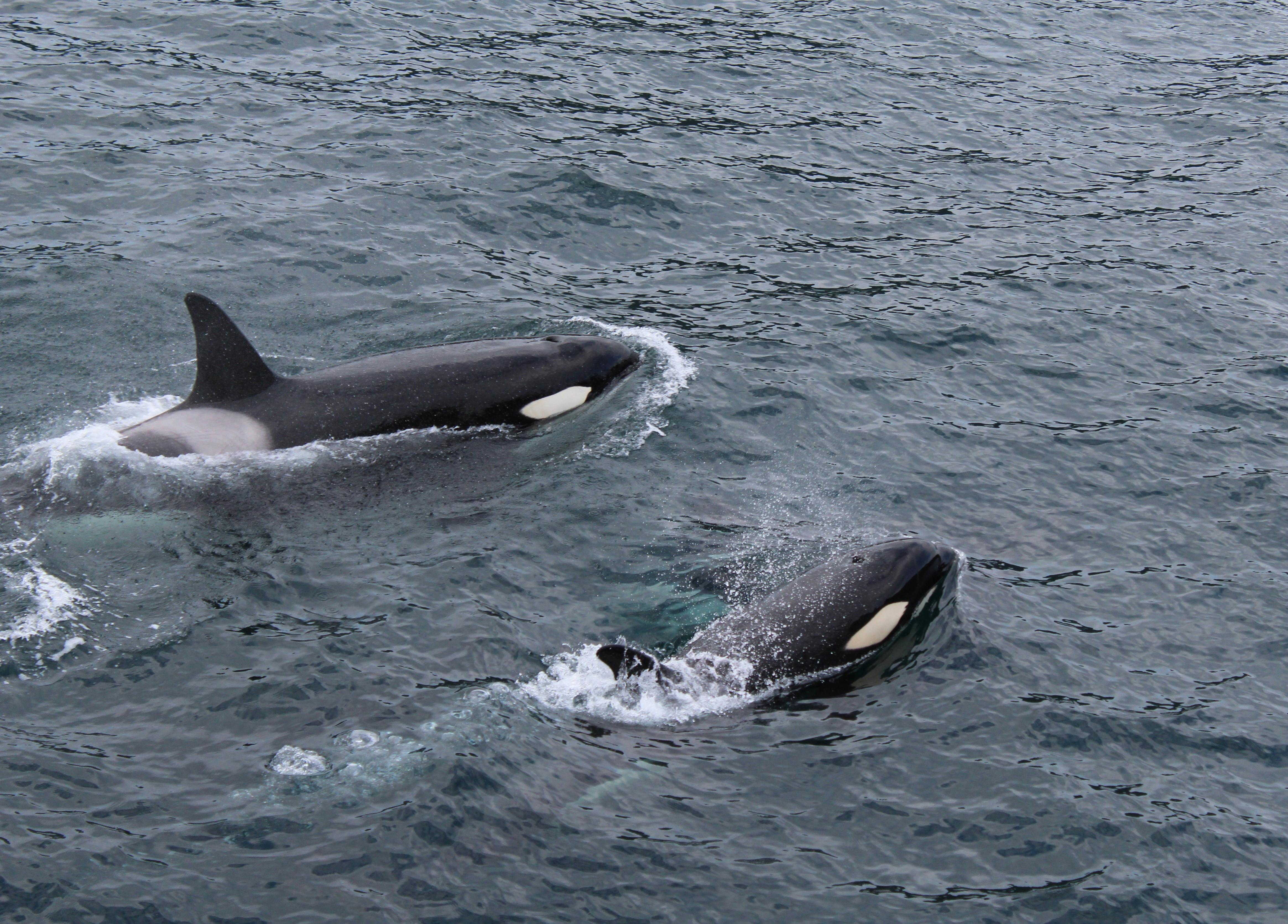
Alaska, the last frontier, is a paradise for wildlife enthusiasts. With its vast wilderness and dramatic landscapes, it's a prime location for observing a wide array of species. The state is renowned for its grizzly bears, often seen fishing for salmon in the streams of Katmai National Park. Additionally, the coastal waters are home to orcas and humpback whales, providing breathtaking marine life encounters.
Florida
Florida's subtropical climate and diverse ecosystems make it a birdwatcher's dream. The Everglades National Park, a UNESCO World Heritage Site, supports a rich array of bird species, including herons, egrets, and the endangered snail kite. The state is also famous for its manatees, which can be observed in the warm waters of the Crystal River.
California
California's varied landscapes offer a multitude of wildlife viewing opportunities. The coastal regions are home to sea otters and elephant seals, while the Sierra Nevada mountains provide habitat for black bears and bald eagles. The state also boasts the majestic California condor, a species that has been successfully reintroduced into the wild.
Montana
Montana, with its rugged terrain and pristine wilderness, offers unparalleled wildlife viewing. Glacier National Park is a highlight, where you can see mountain goats scaling cliffs and bighorn sheep grazing in alpine meadows. The state's vast grasslands are also home to herds of bison and pronghorns, making every visit an adventure.
Wyoming
Wyoming's Yellowstone National Park is a treasure trove of wildlife. The park's geothermal features create unique habitats for species like the American bison and gray wolf. The Lamar Valley, often referred to as America's Serengeti, is a prime location for observing these and many other species in their natural setting.
Colorado
Colorado's Rocky Mountains provide a dramatic backdrop for wildlife viewing, with opportunities to see elk, moose, and mountain lions. The state's numerous national parks and forests offer extensive hiking trails and scenic overlooks, allowing you to immerse yourself in nature and witness its wonders firsthand.
Arizona
Arizona's desert landscapes are teeming with unique wildlife. Saguaro National Park is renowned for its towering cacti and serves as a habitat for species like the Gila monster and the elusive jaguar. The state's diverse environments also support a variety of bird species, making it a fantastic destination for birdwatchers.
Texas
Texas, with its vast and varied environments, offers a wealth of wildlife viewing opportunities. The state is home to the Big Bend National Park, where you can see black bears and mountain lions. Coastal regions, like the Padre Island National Seashore, provide habitats for sea turtles and a myriad of migratory birds.
Oregon
Oregon's lush landscapes and rugged coastlines are perfect for wildlife enthusiasts. The state is known for its whale-watching opportunities, particularly along the coast where gray whales migrate. The dense forests and mountainous regions also provide habitats for black bears, elk, and a variety of bird species.
Maine
Maine's remote wilderness and rocky coastlines make it an ideal destination for observing wildlife. Moose are abundant in the northern forests, while puffins and seals can be seen along the coast. The state's national parks offer numerous hiking trails and observation points for a complete wildlife viewing experience.
Best Seasons For Wildlife Viewing In Each State
Each state offers unique wildlife viewing opportunities throughout the year. Understanding the best seasons for wildlife observation can enhance your experience and ensure you witness the most spectacular sights.
Alaska
Summer (June - August): Best time for bear watching, especially during salmon runs.
Spring & Fall: Ideal for bird migration and whale watching.
Florida
Winter (November - March): Peak season for birdwatching and manatee observation.
Spring & Fall: Good for spotting migratory birds.
California
Spring & Fall: Perfect for birdwatching and whale migrations.
Summer: Best for coastal wildlife and mountain species.
Montana
Summer (June - August): Prime time for observing bison, elk, and mountain goats.
Fall: Great for elk bugling and stunning fall foliage.
Wyoming
Spring & Summer: Ideal for observing bison, wolves, and geysers.
Fall: Best for elk rutting and bear sightings.
Colorado
Summer: Perfect for high-altitude wildlife and wildflowers.
Fall: Excellent for elk bugling and changing leaves.
Arizona
Spring & Fall: Best for observing desert wildlife and birdwatching.
Winter: Good for hiking and spotting unique desert species.
Texas
Spring & Fall: Ideal for bird migration and diverse wildlife.
Winter: Best for observing coastal and marine life.
Oregon
Spring & Summer: Best for whale watching and coastal wildlife.
Fall: Excellent for birdwatching and forest species.
Maine
Summer: Prime time for moose and coastal wildlife.
Fall: Great for bird migrations and scenic landscapes.
Tips For Responsible Wildlife Observation
Wildlife observation is a rewarding experience, but it comes with the responsibility to protect the animals and their habitats. Here are some tips to ensure your wildlife viewing activities are ethical and sustainable:
Keep a Safe Distance: Always observe wildlife from a distance to avoid disturbing their natural behaviors. Use binoculars or a camera with a zoom lens to get a closer look without encroaching on their space.
Stay on Designated Trails: Stick to marked paths to protect fragile ecosystems and reduce your impact on the environment. This also minimizes the risk of getting lost or encountering dangerous wildlife.
Avoid Feeding Wildlife: Feeding animals can disrupt their natural foraging habits and make them reliant on human-provided food, which can be harmful to their health.
Be Quiet and Patient: Keep noise to a minimum to avoid startling animals. Patience is key to observing wildlife in their natural state, so take your time and enjoy the experience.
Leave No Trace: Follow the principles of Leave No Trace by packing out all trash, respecting wildlife, and leaving natural and cultural features undisturbed.
By following these guidelines, you can enjoy wildlife viewing while contributing to the protection and preservation of these incredible creatures and their habitats.
Recommended Wildlife Viewing Locations In Each State
For a truly immersive wildlife experience, visit some of these recommended locations in each state, known for their abundant wildlife and breathtaking scenery:
Alaska
Denali National Park: Known for its grizzly bears and caribou.
Kenai Fjords National Park: Offers marine wildlife viewing, including seals and sea otters.
Florida
Everglades National Park: A haven for birdwatchers and alligator enthusiasts.
Crystal River: Famous for its manatee populations.
California
Point Reyes National Seashore: Renowned for its elephant seals and bird species.
Yosemite National Park: Offers sightings of black bears and diverse birdlife.
Montana
Glacier National Park: Ideal for mountain goats and bighorn sheep.
National Bison Range: Offers a chance to see bison and pronghorns.
Wyoming
Yellowstone National Park: Known for its wolves, bison, and geothermal features.
Grand Teton National Park: Offers sightings of moose and elk.
Colorado
Rocky Mountain National Park: Perfect for viewing elk and bighorn sheep.
Great Sand Dunes National Park: Offers diverse wildlife, including mule deer.
Arizona
Saguaro National Park: Known for its desert wildlife and towering cacti.
Sonoran Desert: Offers sightings of Gila monsters and roadrunners.
Texas
Big Bend National Park: Home to black bears and mountain lions.
Padre Island National Seashore: Renowned for its sea turtles and bird species.
Oregon
Crater Lake National Park: Offers sightings of black bears and eagles.
Oregon Coast: Known for its whale-watching opportunities.
Maine
Acadia National Park: Offers views of moose and coastal birds.
Moosehead Lake: Known for its abundant moose population.
Wildlife Conservation Efforts In the Top States
Wildlife conservation is a critical aspect of ensuring the long-term survival of species and their habitats. In each of the top states for wildlife viewing, various initiatives are in place to protect and preserve natural ecosystems.
Alaska
Alaska's conservation efforts focus on protecting vast wilderness areas and marine ecosystems. Initiatives like the Alaska Wildlife Conservation Center work to rehabilitate injured animals and educate the public about wildlife conservation.
Florida
Florida's conservation efforts are centered on preserving its unique wetlands and marine environments. The Florida Fish and Wildlife Conservation Commission plays a vital role in protecting endangered species like the Florida panther and the West Indian manatee.
California
California is a leader in conservation, with numerous programs aimed at preserving its diverse ecosystems. The California Department of Fish and Wildlife actively manages habitats and implements recovery plans for threatened species, such as the California condor.
Montana
Montana's conservation efforts include protecting its vast grasslands and forests. Programs like Montana Fish, Wildlife & Parks focus on restoring native species and managing land for sustainable use.
Wyoming
Wyoming prioritizes the protection of its iconic wildlife and natural landscapes. The Wyoming Game and Fish Department works to conserve species like the gray wolf and American bison through habitat preservation and population management.
Colorado
Colorado's conservation initiatives aim to protect its mountainous regions and diverse wildlife. The Colorado Parks and Wildlife department implements strategies to maintain healthy populations of species like the elk and mountain lion.
Arizona
Arizona's conservation efforts focus on preserving its desert ecosystems and unique species. The Arizona Game and Fish Department conducts research and implements programs to protect endangered species like the jaguar and Mexican wolf.
Texas
Texas is committed to conserving its diverse habitats and wildlife. The Texas Parks and Wildlife Department oversees numerous conservation projects, including habitat restoration and species management plans.
Oregon
Oregon's conservation efforts are focused on protecting its forests, coastlines, and marine life. The Oregon Department of Fish and Wildlife works to conserve species like the gray whale and northern spotted owl through research and habitat protection.
Maine
Maine's conservation initiatives aim to preserve its remote wilderness areas and coastal ecosystems. The Maine Department of Inland Fisheries and Wildlife implements programs to protect species like the moose and Atlantic puffin.
Conclusion: Embracing Wildlife Viewing Experiences
Wildlife viewing in the United States offers a gateway to some of the most incredible natural wonders and diverse species on earth. By exploring the top ten states for wildlife observation, you have the opportunity to witness the beauty and complexity of nature firsthand. Whether you're traversing the rugged terrain of Alaska or exploring the coastal beauty of Maine, each state provides unique experiences that enrich your understanding and appreciation of wildlife.
As you embark on your wildlife viewing adventures, remember to do so responsibly and ethically. By respecting wildlife and their habitats, you contribute to ongoing conservation efforts and ensure that these magnificent creatures continue to thrive. Embrace the opportunity to learn, observe, and connect with the natural world, and let your experiences inspire a deeper commitment to preserving our planet's rich biodiversity.
Ready to start your wildlife adventure? Plan your next trip to one of these incredible states and witness the wonders of nature firsthand. Share your experiences and inspire others to appreciate and protect the beauty of wildlife. Happy exploring!
Take advantage of the chance to explore, witness, and engage with nature, allowing your experiences
to motivate a stronger dedication to safeguarding the diverse life forms of our planet.
We focus on creating digital eBook bundles featuring activities,
educational opportunities, and experiences across the USA and Canada.
Things To Do In All US States
Things To Do In All Canadian Provinces And Territories
Non Affiliation Disclaimer:
The owners of Savingcraze.com are not affiliated with, associated with, or endorsed by any of the companies, brands, or entities mentioned in this content unless explicitly stated otherwise. All product names, logos, trademarks, and brand references are the property of their respective owners with the exception of free to use stock images. Their use in this content is for identification and reference purposes only and does not imply any relationship, sponsorship, or endorsement by those companies.
For more information read our full disclaimer here.
Medical Information Disclaimer
The information about health provided by the Service is not intended to diagnose, treat, cure or prevent disease. Products, services, information and other content provided by the Service, including information linking to third-party websites are provided for informational purposes only. Information offered by the Service is not comprehensive and does not cover all diseases, ailments, physical conditions or their treatment.
Individuals are different and may react differently to different products. Comments made on the Service by employees or other users are strictly their own personal views made in their own personal capacity and are not claims made by the Company nor do they represent the position or view of the Company. The Company is not liable for any information provided by the Service with regard to recommendations regarding supplements for any health purposes.
The Company makes no guarantee or warranty with respect to any products or services sold. The Company is not responsible for any damages for information or services provided even if the Company has been advised of the possibility of damages.
Fitness & Nutritional Information Disclaimer
The Service can offer health, fitness and nutritional information including, without limitation, advice and recommendation, that is provided solely as general education and informational purposes.
Use of the advice and information contained herein is at your sole choice and risk. You should not rely on this information as a substitute for, nor does it replace, professional medical advice, diagnosis, or treatment. Always consult your physician or healthcare provider before beginning any nutrition or exercise program.
If You choose to use this information without prior consent of your physician, You are agreeing to accept full responsibility for your decisions and agreeing to hold harmless the Company.
savingcraze.com/topusastatesforwildlifeviewing
2026 © savingcraze.com. All rights reserved