Seeking Massage Types: Benefits For Chronic Pain, Relaxation, Tension Reduction

AFFILIATE DISCLOSURE: Be informed that clicking on some of the links and making
purchases may result in the owner(s) of this site(s) to earn payments in commissions.
Introduction To Massage Therapy
Massage therapy is an ancient practice that has been utilized for centuries to promote health and well-being. It involves manipulating the body's soft tissues through various techniques to alleviate discomfort and enhance physical function. Whether you are seeking relief from chronic pain or simply looking to unwind, massage therapy offers a holistic approach to maintain physical and mental wellness.
The practice of massage therapy is deeply rooted in cultures around the world, each having its unique styles and methods. These techniques have evolved over time, integrating modern scientific understanding with traditional practices. As a result, massage therapy today is an effective intervention used by millions to manage pain, reduce stress, and improve quality of life.
In recent years, the popularity of massage therapy has surged, driven by a growing awareness of its numerous health benefits. As you navigate the myriad of options available, understanding the different types of massage and their specific benefits can help you make informed decisions about incorporating massage into your wellness routine.

Understanding Chronic Pain And Its Impact
Chronic pain is a pervasive condition that affects millions of individuals worldwide. Unlike acute pain, which is temporary and typically resolves with healing, chronic pain persists for weeks, months, or even years. This persistent discomfort can have a profound impact on your quality of life, affecting your physical, emotional, and social well-being.
The causes of chronic pain are multifaceted and can stem from various factors, including injuries, medical conditions, and stress. Living with chronic pain often leads to a cycle of discomfort and tension, exacerbating the symptoms and contributing to a diminished sense of well-being. This can result in challenges such as sleep disturbances, decreased mobility, and emotional distress.
Understanding the nature of chronic pain is crucial for identifying effective management strategies. By exploring therapeutic options like massage therapy, you can take proactive steps towards alleviating pain and regaining control over your life. Massage therapy offers a non-invasive and drug-free approach to managing chronic pain, providing a viable alternative for those seeking relief without relying solely on medication.
Benefits Of Massage For Chronic Pain Relief
Massage therapy offers a host of benefits for those struggling with chronic pain. One of the primary advantages is its ability to enhance circulation, which helps deliver oxygen and nutrients to muscles and tissues. This improved circulation not only aids in pain relief but also promotes faster recovery from injuries and muscle soreness.
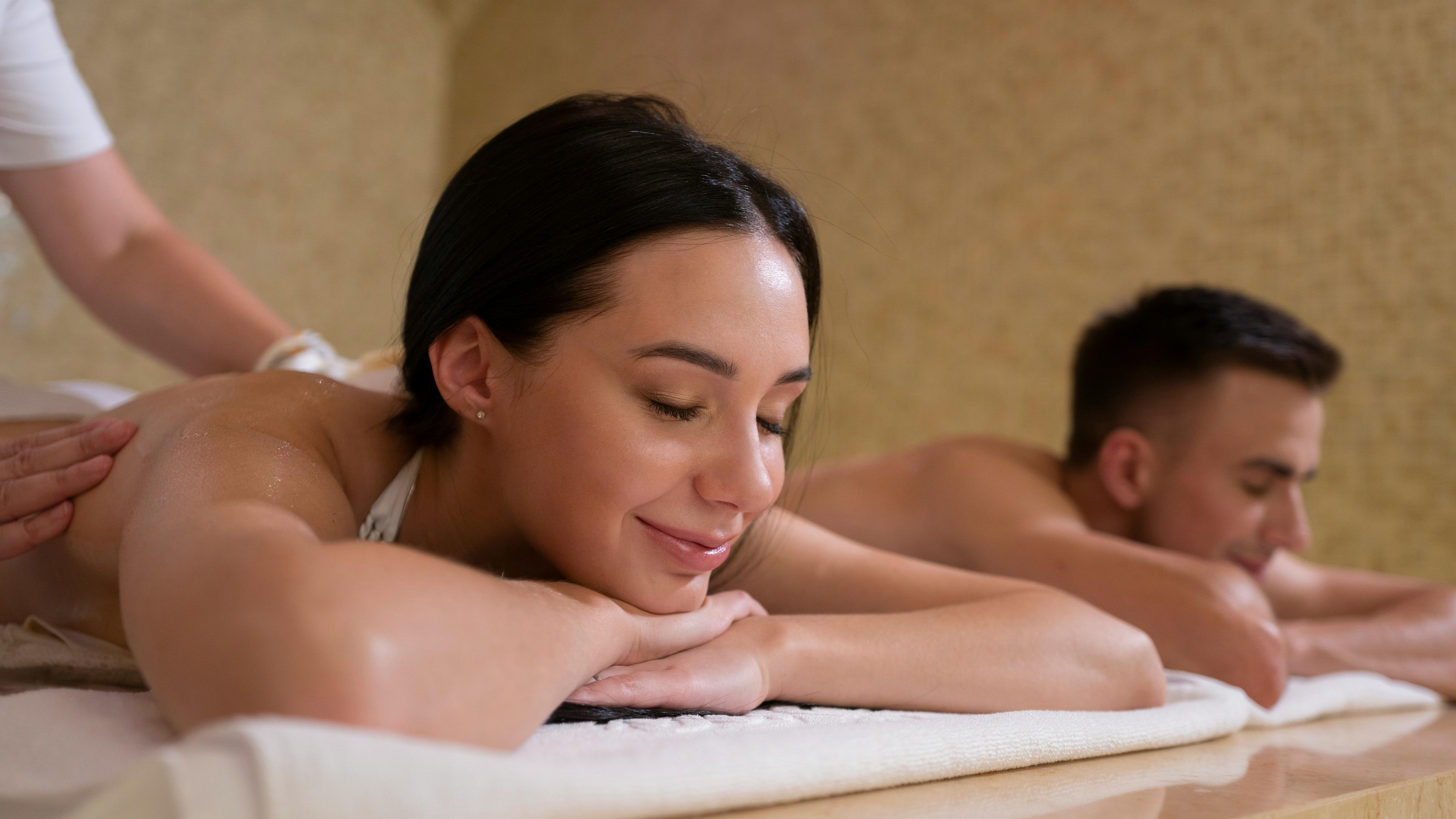
Another significant benefit of massage therapy is its potential to reduce inflammation. Chronic pain is often accompanied by inflammation, which can exacerbate discomfort and hinder healing. By using specific massage techniques, you can decrease inflammation and facilitate the body's natural healing processes, leading to long-term relief from pain.
Moreover, massage therapy can positively impact your mental health. The relaxation and stress reduction achieved through massage can lead to a decrease in anxiety and depression, common companions of chronic pain. By addressing both physical and emotional aspects, massage therapy provides a comprehensive approach to managing chronic pain and improving overall well-being.
Different Types Of Massage Techniques
When it comes to massage therapy, there is a diverse array of techniques to choose from, each offering unique benefits. Understanding these techniques can help you select the most suitable option for your needs.
Swedish Massage: Known for its gentle, flowing strokes, Swedish massage is ideal for relaxation and stress reduction. It involves techniques such as kneading, tapping, and circular movements to enhance circulation and relieve muscle tension.
Deep Tissue Massage: Focusing on deeper layers of muscles and connective tissues, deep tissue massage targets chronic pain and muscle knots. It uses slower, more forceful strokes to release tension and improve mobility.
Sports Massage: Designed for athletes, sports massage aims to enhance performance, prevent injuries, and aid in recovery. It combines various techniques to address specific issues related to physical activity.
Trigger Point Therapy: This technique targets specific points of muscle tension, known as trigger points, to alleviate pain and discomfort. It involves applying pressure to these points to release tension and promote healing.
Shiatsu Massage: Originating from Japan, Shiatsu uses finger and palm pressure on specific body points to restore balance and promote relaxation. It is based on traditional Chinese medicine principles and focuses on energy flow.
Exploring these massage types allows you to tailor your therapy to address specific concerns, whether it's chronic pain, relaxation, or enhancing athletic performance.
How Massage Promotes Relaxation
Relaxation is a crucial component of overall well-being, and massage therapy excels in promoting a state of calm and tranquility. During a massage session, your body's parasympathetic nervous system is activated, which reduces stress hormones and induces a sense of relaxation.
The physical act of massage stimulates the production of endorphins, the body's natural painkillers and mood enhancers. This biochemical response helps to alleviate stress and anxiety, leaving you feeling more relaxed and rejuvenated. Additionally, the soothing environment of a massage session, often accompanied by calming music and dim lighting, further enhances the relaxation experience.
Incorporating regular massage sessions into your routine can have long-lasting effects on your stress levels. By consistently promoting relaxation, massage therapy can help you better manage daily stressors and improve your overall mental health. This, in turn, contributes to a more balanced and fulfilling lifestyle.
The Role Of Massage In Tension Reduction
Muscle tension is a common issue that can lead to discomfort and pain. Whether caused by stress, poor posture, or physical activity, tension in the muscles can impact your mobility and overall quality of life. Massage therapy plays a vital role in reducing muscle tension, offering a natural and effective solution.
Through techniques such as kneading, stretching, and compression, massage therapy targets areas of tension and works to release muscle knots. This not only alleviates discomfort but also improves flexibility and range of motion. As tension is reduced, you may experience increased vitality and a renewed sense of energy.
By regularly addressing muscle tension through massage, you can prevent the development of chronic pain and improve your physical well-being. The cumulative effects of tension reduction contribute to a healthier and more active lifestyle, allowing you to engage in activities with greater ease and enjoyment.
Choosing The Right Massage Type For Your Needs
Selecting the appropriate massage type is essential for maximizing the benefits of your therapy sessions. Consider your specific needs and goals when choosing a massage technique. If you're seeking relaxation and stress relief, a Swedish massage may be ideal. For those dealing with chronic pain or muscle injuries, deep tissue or trigger point therapy might be more suitable.
It's also important to communicate with your massage therapist about any specific concerns or areas of discomfort. A professional therapist can tailor the session to address your unique needs, ensuring a personalized and effective experience. Don't hesitate to ask questions and express your preferences to get the most out of your massage therapy.
Additionally, consider any medical conditions or physical limitations you may have. Some massage techniques may not be appropriate for certain conditions, so it's crucial to consult with your healthcare provider and massage therapist to determine the best approach for your situation.
Incorporating Massage Into Your Wellness Routine
Integrating massage therapy into your routine can significantly enhance your overall well-being. To make the most of your massage sessions, it's important to approach them as part of a comprehensive wellness plan. Consider scheduling regular massages, whether weekly, bi-weekly, or monthly, to maintain ongoing benefits.
Incorporate other wellness practices alongside massage therapy, such as regular exercise, a balanced diet, and mindfulness techniques like meditation or yoga. These complementary practices can amplify the positive effects of massage, leading to a more holistic approach to health and wellness.
It's also beneficial to adopt healthy habits that support your massage therapy goals. Stay hydrated, practice good posture, and engage in stretching exercises to prolong the benefits of your massage sessions. By making massage therapy a consistent part of your wellness routine, you can achieve lasting improvements in both physical and mental health.
Professional vs. At-Home Massage Techniques
While professional massage therapy offers numerous advantages, there are also effective techniques you can practice at home. Understanding the differences between professional and at-home massage can help you decide which approach best suits your needs.
Professional Massage:
Advantages: Access to trained therapists with expertise in various techniques, customized therapy sessions, and a relaxing environment.
Considerations: Cost and time commitment for regular sessions.
At-Home Massage:
Advantages: Convenience, affordability, and the ability to focus on specific areas of discomfort in your own time.
Considerations: Limited techniques and the need for self-education or tools like massage rollers or handheld devices.
Both professional and at-home massage have their merits. Consider combining both approaches to achieve optimal results. Professional sessions can address complex issues, while at-home techniques can provide regular maintenance and immediate relief.
Conclusion: Finding Relief Through Massage
Massage therapy offers an invaluable resource for those seeking to alleviate chronic pain, reduce stress, and improve overall well-being. By exploring the various types of massage and understanding their benefits, you can make informed choices that align with your individual needs and goals.
As you embark on your massage therapy journey, remember that consistency is key. Regular sessions, whether professional or at-home, can lead to significant improvements in your physical health and mental wellness. Take the time to explore different techniques, communicate with your therapist, and integrate massage into your broader wellness plan.
Embrace the path to relief and relaxation by incorporating massage into your wellness routine. Your journey to a healthier, more balanced life starts now.
Explore Different Massage Types To Determine What Works Best For You
Canadian Provinces And Territories
Non Affiliation Disclaimer:
The owners of Savingcraze.com are not affiliated with, associated with, or endorsed by any of the companies, brands, or entities mentioned in this content unless explicitly stated otherwise. All product names, logos, trademarks, and brand references are the property of their respective owners with the exception of free to use stock images. Their use in this content is for identification and reference purposes only and does not imply any relationship, sponsorship, or endorsement by those companies.
For more information read our full disclaimer here.
Medical Information Disclaimer
The information about health provided by the Service is not intended to diagnose, treat, cure or prevent disease. Products, services, information and other content provided by the Service, including information linking to third-party websites are provided for informational purposes only. Information offered by the Service is not comprehensive and does not cover all diseases, ailments, physical conditions or their treatment.
Individuals are different and may react differently to different products. Comments made on the Service by employees or other users are strictly their own personal views made in their own personal capacity and are not claims made by the Company nor do they represent the position or view of the Company. The Company is not liable for any information provided by the Service with regard to recommendations regarding supplements for any health purposes.
The Company makes no guarantee or warranty with respect to any products or services sold. The Company is not responsible for any damages for information or services provided even if the Company has been advised of the possibility of damages.
Fitness & Nutritional Information Disclaimer
The Service can offer health, fitness and nutritional information including, without limitation, advice and recommendation, that is provided solely as general education and informational purposes.
Use of the advice and information contained herein is at your sole choice and risk. You should not rely on this information as a substitute for, nor does it replace, professional medical advice, diagnosis, or treatment. Always consult your physician or healthcare provider before beginning any nutrition or exercise program.
If You choose to use this information without prior consent of your physician, You are agreeing to accept full responsibility for your decisions and agreeing to hold harmless the Company.
savingcraze.com/massaging-benefits-for-men-and-women
2026 © savingcraze.com. All rights reserved